
A Practical AI Education Hub for Learning, Teaching and Work
Learn how AI can support students, educators, institutions and professionals in real settings.
The Moris AI Schools Education Hub brings practical AI learning, responsible use, institutional guidance and career-focused exposure into one structured learning environment.

01Part 1 of 7
Understanding AI Before Choosing Tools or Training Programs
Build a clear foundation so learners know what AI can do, where it can help and where human review matters.
Moris AI Schools created the AI Education Hub as a practical starting point for people who need clarity before they choose a course, tool or institutional program. AI is now visible in classrooms, workplaces and everyday digital services, but familiarity with the term does not mean a learner understands how to use it well. The Hub explains the subject in relation to real educational and professional responsibilities. It is intended for students, parents, teachers, professors, school leaders, college and university teams, professionals and business decision-makers.
The first step is to define the learner or institution, the problem being addressed and the result expected. This prevents AI education from becoming a collection of unrelated tools. In Columbus, the same principle can help a school, college, university or individual decide what should be learned first and what can wait. Clear priorities also make it easier to select suitable training, infrastructure and support.
02Part 2 of 7
AI Education for Students Across Different Learning Stages
Support curiosity, digital judgement and practical projects without adding unnecessary academic pressure.
The learning approach begins with use, judgement and context. A student needs to know how to ask better questions, verify information and use AI without allowing it to replace personal thinking. A teacher needs to know when AI can support preparation and when direct teaching judgement must lead. An institution needs to understand training, infrastructure, access, safety and support before introducing technology at scale. A professional needs to connect AI with actual responsibilities rather than collect disconnected tool demonstrations.
Different age groups and professional roles require different levels of explanation and supervision. Younger learners need structured, age-appropriate activities. Older students can take on projects that require research, evaluation and presentation. Educators need methods they can use with their own learners. Professionals need examples connected with their responsibilities. Moris AI Schools keeps these differences visible when learning plans are prepared.
03Part 3 of 7
Practical AI Training for Teachers and Academic Faculty
Help educators use AI in preparation, teaching and guidance while keeping professional judgement central.
This is why the Hub links education with the wider Moris AI Schools system. A learner can move from introductory understanding into structured courses. An institution can connect learning with smart classrooms, AI research labs, digital libraries or AI-assisted administration. Teachers and professors can receive practical training. College and university students can explore internship and career-development routes where relevant. The Hub is therefore not a catalogue of AI terminology; it is a route into practical learning and implementation.
Practical exposure should include the habit of checking AI output. Learners should be able to question an answer, compare it with trusted information, identify missing context and decide whether human expertise is required. This is especially important in education because a fluent response can still be incomplete or incorrect. Responsible learning therefore includes verification, privacy awareness and clear accountability.
Practical Application
Learning connects concepts with guided tasks so participants can practise, review results and understand how AI fits real educational or working responsibilities.
Human Review
Teachers, learners and professionals remain responsible for checking information, protecting context and deciding when expert judgement should take priority.
Role Relevance
Examples and activities are matched to the learner's role so training stays connected with classrooms, institutions, careers or business responsibilities.
Ongoing Support
Institutions can connect initial learning with further training, classroom systems, labs, digital resources or practical exposure as their needs develop.
04Part 4 of 7
Institutional AI Learning for Schools, Colleges and Universities
Connect people, classrooms, labs and administration through a planned approach to AI adoption.
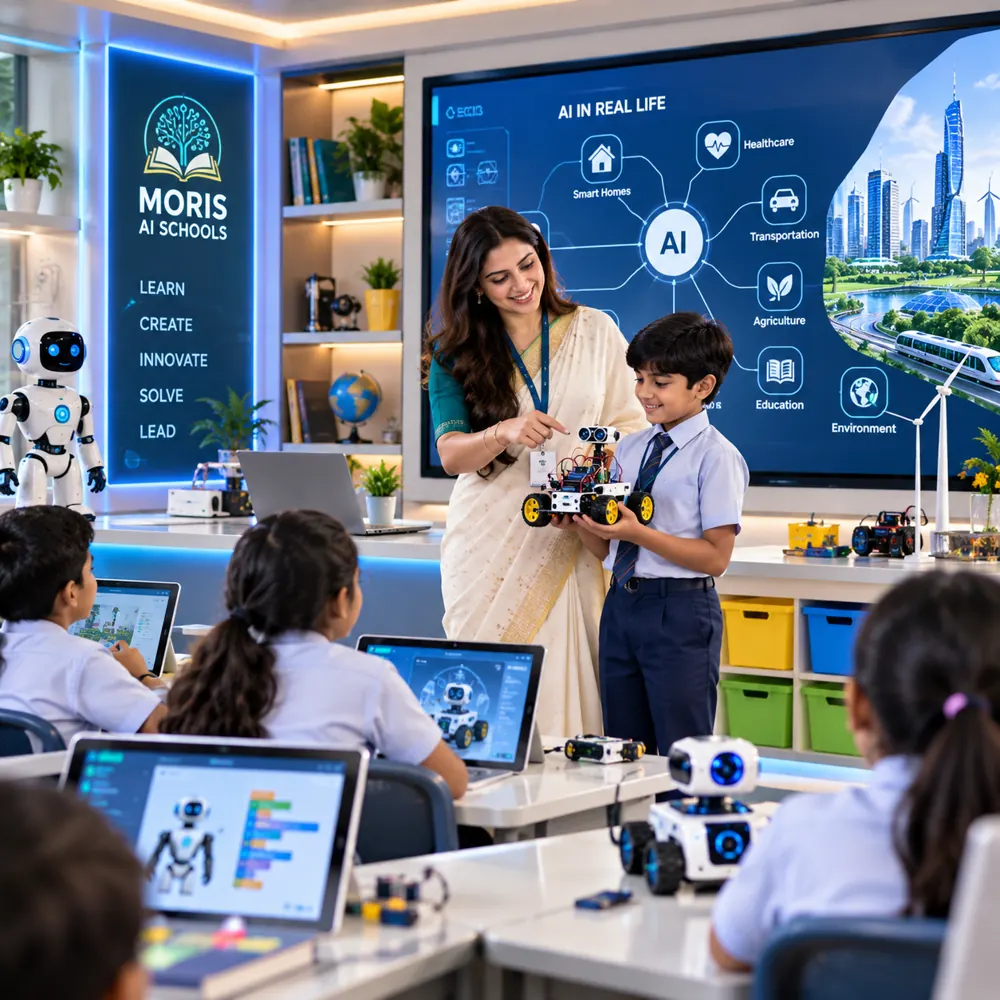
Moris AI Schools created the AI Education Hub as a practical starting point for people who need clarity before they choose a course, tool or institutional program. AI is now visible in classrooms, workplaces and everyday digital services, but familiarity with the term does not mean a learner understands how to use it well. The Hub explains the subject in relation to real educational and professional responsibilities. It is intended for students, parents, teachers, professors, school leaders, college and university teams, professionals and business decision-makers.
For institutions across Ohio, adoption also depends on people. A classroom system will have limited value if teachers are uncomfortable using it or if students do not understand the rules. Training, orientation, support and review need to be part of implementation. Moris AI Schools can connect these elements so that technology decisions and learning decisions are not made separately.
05Part 5 of 7
Professional AI Skills Connected With Real Working Roles
Apply AI learning to research, marketing, communication, planning and other practical responsibilities.
The learning approach begins with use, judgement and context. A student needs to know how to ask better questions, verify information and use AI without allowing it to replace personal thinking. A teacher needs to know when AI can support preparation and when direct teaching judgement must lead. An institution needs to understand training, infrastructure, access, safety and support before introducing technology at scale. A professional needs to connect AI with actual responsibilities rather than collect disconnected tool demonstrations.
The connection with real work becomes particularly important for college students, university students and professionals. Learning should help participants understand how teams operate, how tasks are reviewed and how quality is judged. Where relevant programs provide practical exposure or internships, learners can see how their interests and abilities fit different roles instead of making career choices only from job titles or theory.
Practical Application
Learning connects concepts with guided tasks so participants can practise, review results and understand how AI fits real educational or working responsibilities.
Human Review
Teachers, learners and professionals remain responsible for checking information, protecting context and deciding when expert judgement should take priority.
Role Relevance
Examples and activities are matched to the learner's role so training stays connected with classrooms, institutions, careers or business responsibilities.
Ongoing Support
Institutions can connect initial learning with further training, classroom systems, labs, digital resources or practical exposure as their needs develop.
06Part 6 of 7
Responsible AI Use Requires Judgement, Review and Context
Teach learners to question outputs, protect information and understand that AI assistance still requires accountability.
This is why the Hub links education with the wider Moris AI Schools system. A learner can move from introductory understanding into structured courses. An institution can connect learning with smart classrooms, AI research labs, digital libraries or AI-assisted administration. Teachers and professors can receive practical training. College and university students can explore internship and career-development routes where relevant. The Hub is therefore not a catalogue of AI terminology; it is a route into practical learning and implementation.
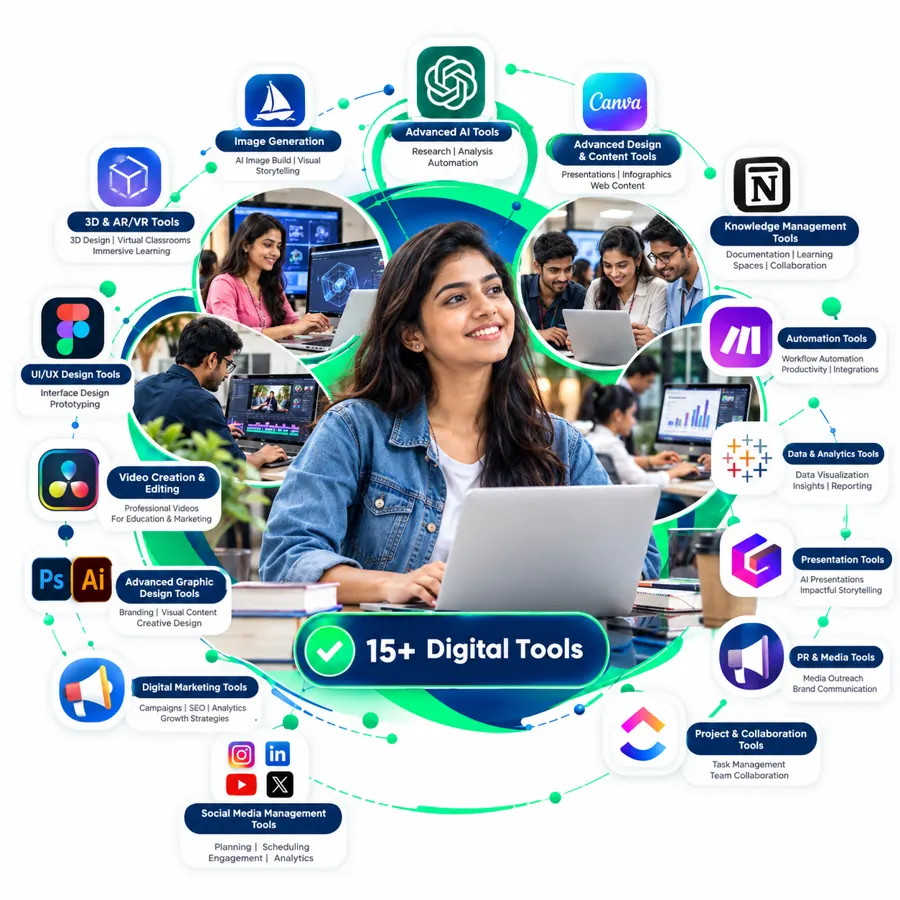
In 2026, the important question is not whether AI exists in education and work, but whether people know how to use it with judgement. Moris AI Schools focuses on building that judgement through explanation, practice and support. Readers can use this page to identify the next useful step, whether that is further learning, teacher development, classroom planning, institutional consultation or professional training.
07Part 7 of 7
A Shared AI Learning Hub Can Connect the Whole Institution
Give students, educators and leaders a common foundation while keeping role-specific learning clear.
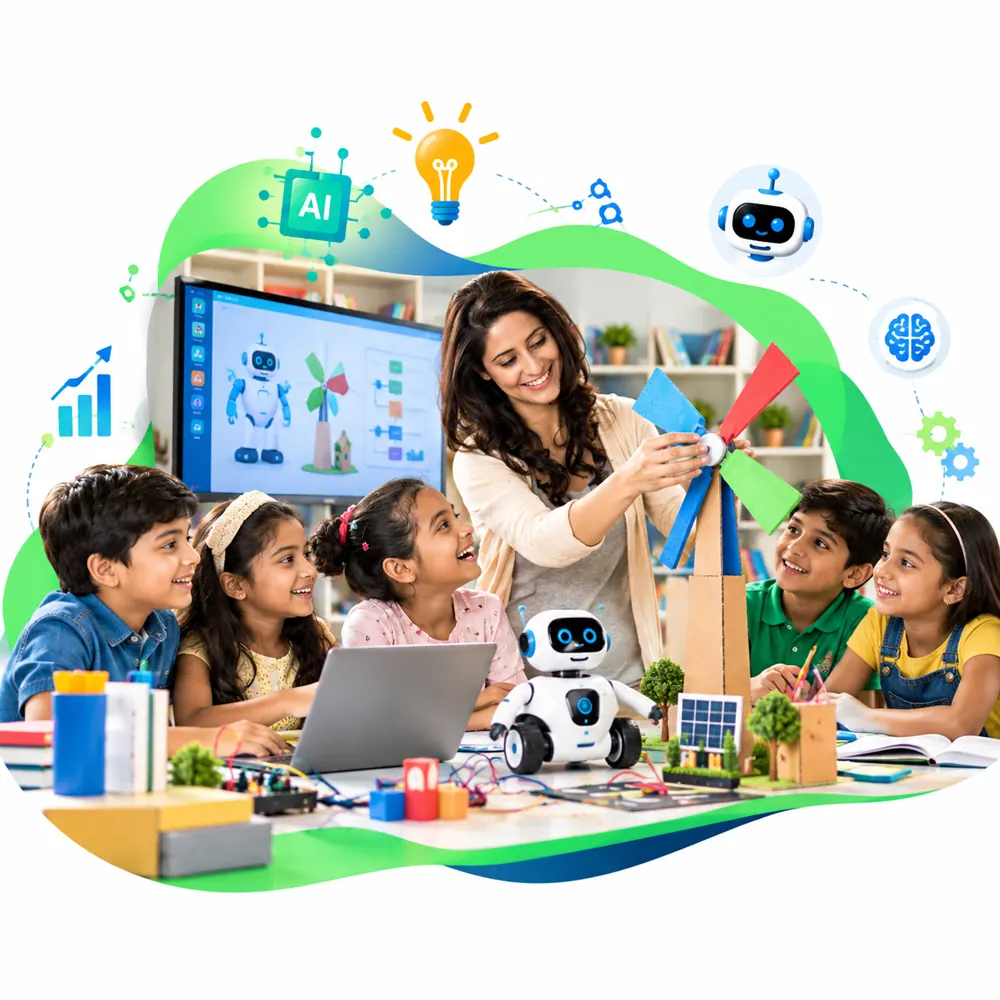
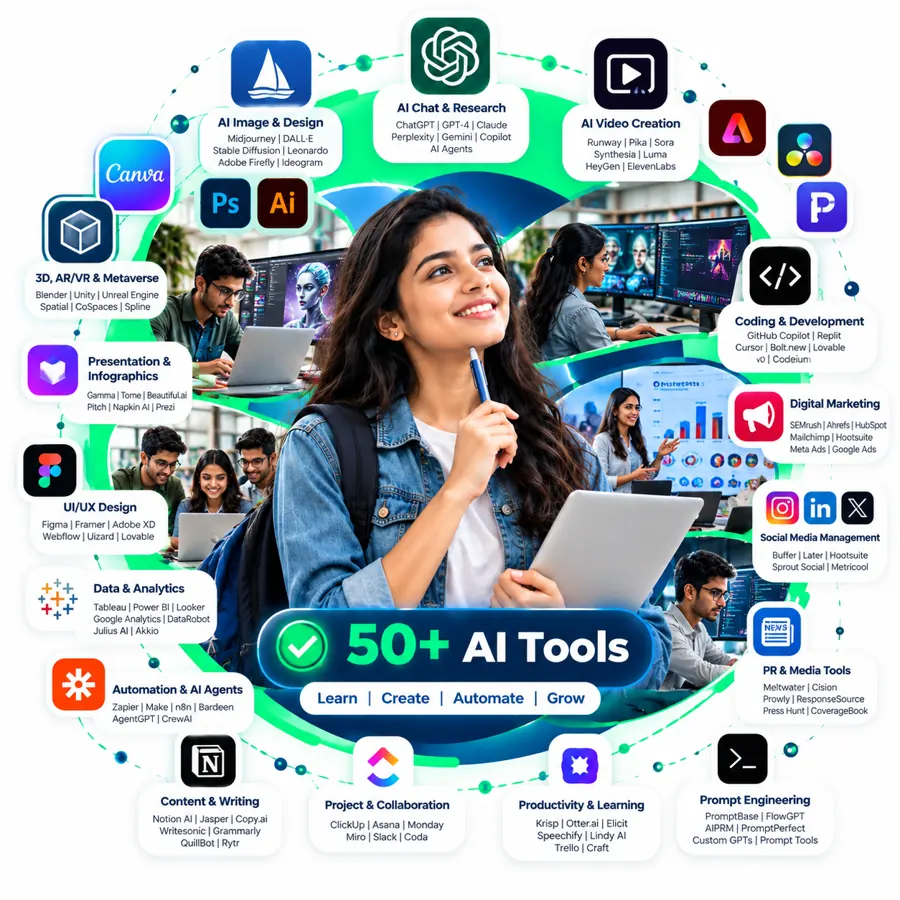
When different groups inside an institution learn about AI separately, they can develop conflicting expectations. Students may adopt tools faster than teachers. Administrators may purchase systems before faculty are ready. Parents may hear broad claims without understanding how AI will actually be used. A shared education hub can create common language around purpose, responsible use, practical value and human oversight.
Moris AI Schools can support this shared understanding while still recognising that each group needs different depth. Students need clear boundaries and opportunities to practise. Teachers need methods they can use in class. Professors need academic context. Administrators need planning and governance. Parents need understandable information about learning value and safeguards. Bringing these perspectives together can make institutional decisions more coherent.
Plan Your Next Practical Learning Step
Move from information to a clear learning, classroom or institutional action plan.
Speak with Moris AI Schools about the learning, training or technology support that fits your role and current needs without adding unnecessary complexity.

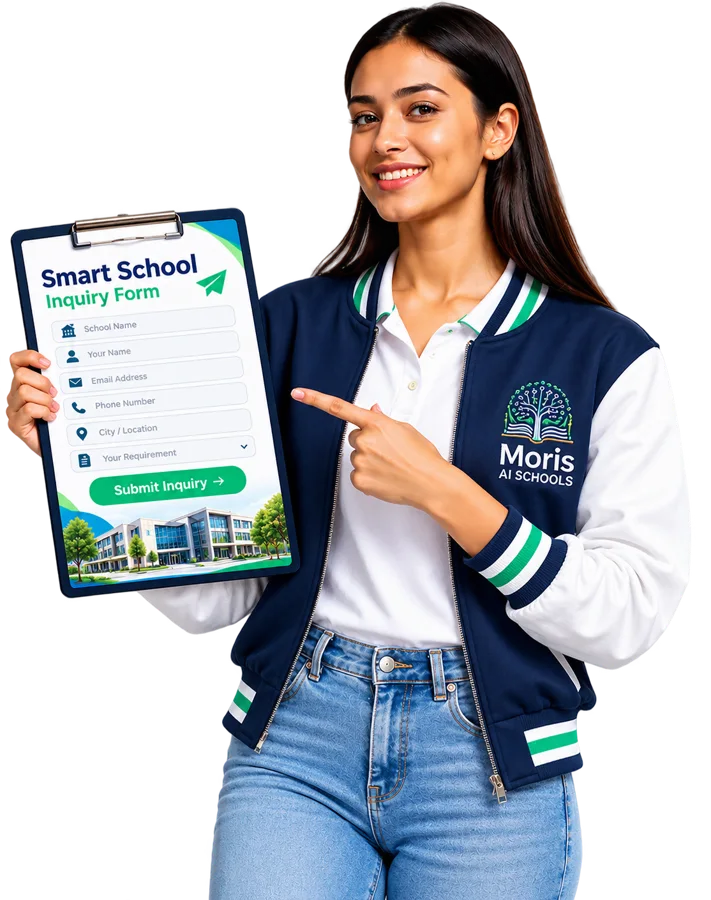
Request a Call Back
Five quick details. Our team takes it from there.
Tell us your requirement
We will route your enquiry to the right Moris AI Schools team.
Thank you
Your enquiry has been received. A team member will contact you using the details you provided.
More in Learn
Back to Home
Choose structured learning for students, educators, professionals and institutions based on practical needs.
Explore
Plan classroom technology that supports teachers, engages students and fits the institution's educational goals.
Explore
Read clear guidance for students, educators, institutions and professionals without unnecessary technical language.
Explore
Build useful AI skills through practical learning designed for real education and work.
Explore