
Give Students Practical AI Learning Beyond Books and Theory Alone
Help learners test ideas, build useful skills and discover where they work best.
Moris AI Schools gives students guided practical exposure to AI, projects, professional environments and learning paths that connect interests with useful experience.

01Part 1 of 7
Move Student AI Learning From Passive Theory Into Practice
Students learn more clearly when concepts are connected with tasks and projects.
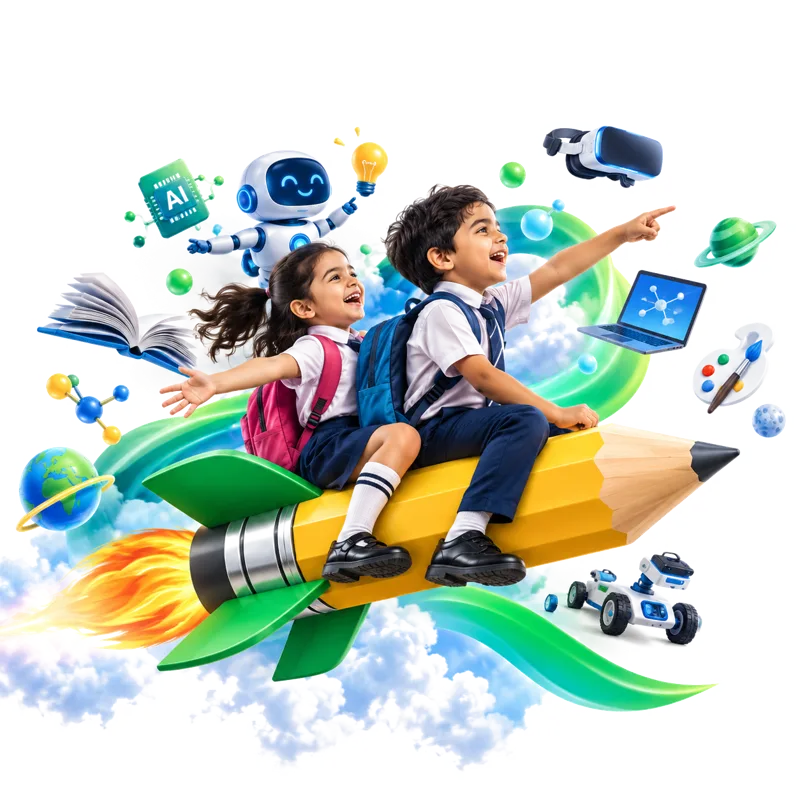
Student Innovators Hub is built for learners who need more than definitions, presentations and theory. Students often understand new technology quickly because they already encounter AI in search, content, applications and everyday digital behaviour. Education becomes more valuable when that curiosity is guided toward responsible use, problem-solving, project work and an understanding of how skills connect with future study or work. Moris AI Schools creates practical learning environments where students can try, question, build and receive guidance rather than being expected to learn only from books.
The hub can support school students, college learners, university students and individuals preparing for professional work. Learning can include guided AI use, digital projects, research habits, communication, marketing exposure, practical departmental experience and internship pathways where appropriate. Through the wider Moris ecosystem, learners can be exposed to real working disciplines and understand where their interests and abilities may fit. The objective is not to push every student toward the same career; it is to help learners discover strengths through practical experience and informed guidance.
Needs Mapping
Identify the learning, teaching or operational problem before choosing technology or changing an existing workflow.
User Context
Understand who will use the system, what they already know and what support they will need during daily work.
Current Systems
Review existing platforms, devices and processes so useful infrastructure is retained instead of replaced without reason.
Clear Priorities
Separate immediate requirements from later improvements so implementation remains manageable for educators and institutions.
02Part 2 of 7
Connect Student Curiosity With Guided Projects and Mentors
Structured support helps learners turn experimentation into useful learning habits.
For Student Innovators Hub, Moris AI Schools begins with the institution rather than a fixed package. Education technology affects people with different responsibilities: students need understandable learning experiences, teachers need workable classroom routines, administrators need reliable processes, and leadership needs to know why a system is being introduced. A useful plan therefore starts by examining the existing environment. That includes the curriculum or training purpose, current devices and applications, educator confidence, learner access, technical support and the decisions that must remain under human control. This prevents technology from becoming an additional burden placed on top of already busy academic work.
In Ohio, the same principle matters whether the organisation is a private school, government school, college, university, educational institute, corporate learning team or e-learning provider. The technology may differ, but the practical questions remain similar. Who will use it? What problem will it address? What information does it require? How will teachers or faculty check its output? What happens when a user needs support? Moris AI Schools treats these questions as part of implementation, not as issues to consider after deployment. This keeps attention on education outcomes and day-to-day usability rather than on the novelty of a tool.
Shared Workflows
Connect relevant academic and operational steps so users do not repeat the same work across disconnected systems.
Role Clarity
Define what teachers, administrators, students and technical teams are expected to do within each connected process.
Useful Access
Give each user group access to the information and functions required for its role without creating unnecessary complexity.
Practical Support
Create a support path for questions, changes and technical issues that can appear after the system enters daily use.
03Part 3 of 7
Develop Skills Through Practice Feedback and Real Exposure
Practical activity helps students understand both strengths and areas to improve.
For Student Innovators Hub, Moris AI Schools begins with the institution rather than a fixed package. Education technology affects people with different responsibilities: students need understandable learning experiences, teachers need workable classroom routines, administrators need reliable processes, and leadership needs to know why a system is being introduced. A useful plan therefore starts by examining the existing environment. That includes the curriculum or training purpose, current devices and applications, educator confidence, learner access, technical support and the decisions that must remain under human control. This prevents technology from becoming an additional burden placed on top of already busy academic work.
In the institution, the same principle matters whether the organisation is a private school, government school, college, university, educational institute, corporate learning team or e-learning provider. The technology may differ, but the practical questions remain similar. Who will use it? What problem will it address? What information does it require? How will teachers or faculty check its output? What happens when a user needs support? Moris AI Schools treats these questions as part of implementation, not as issues to consider after deployment. This keeps attention on education outcomes and day-to-day usability rather than on the novelty of a tool.
Hands On Practice
Train educators through tasks they actually perform, using examples that match their subject, learners and responsibilities.
Guided Adoption
Introduce new workflows in stages so staff can practise, ask questions and build confidence before wider implementation.
Faculty Readiness
Help teachers and professors understand both the capability and limitations of AI-supported education technology.
Ongoing Learning
Provide a structure for refreshing skills as institutional requirements, tools and teaching practices continue to change.
04Part 4 of 7
Give Learners Space to Discover Their Interests and Abilities
Students need varied experiences before making important study or career choices.
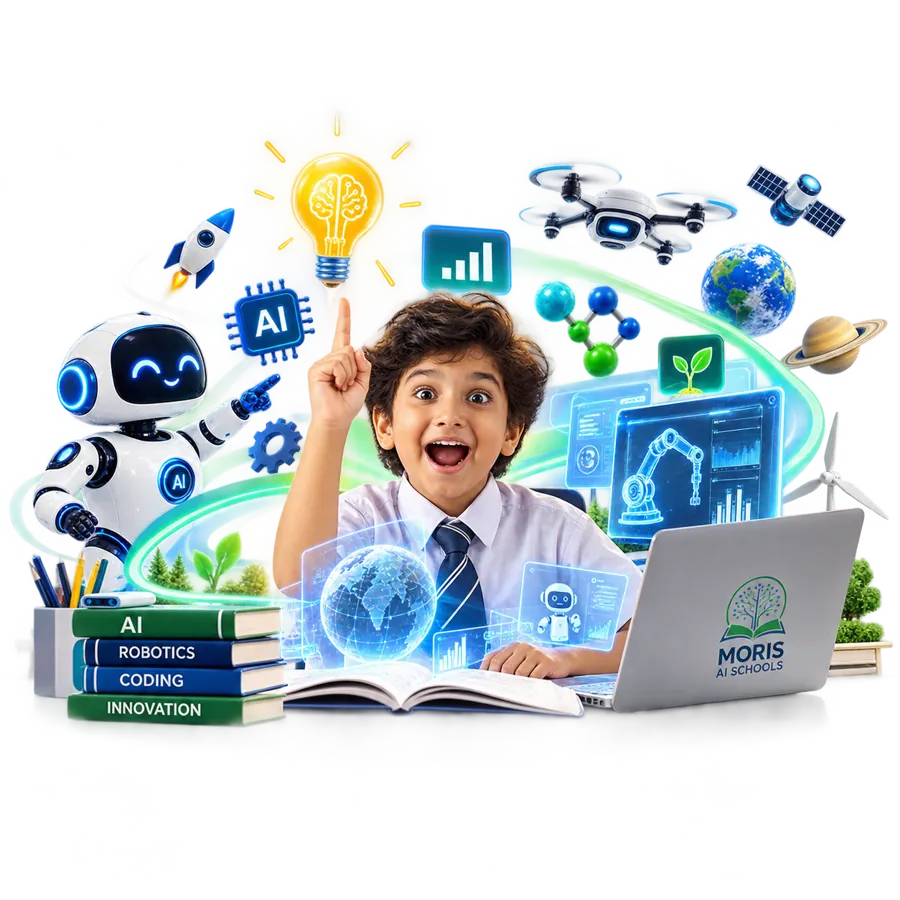
For Student Innovators Hub, Moris AI Schools begins with the institution rather than a fixed package. Education technology affects people with different responsibilities: students need understandable learning experiences, teachers need workable classroom routines, administrators need reliable processes, and leadership needs to know why a system is being introduced. A useful plan therefore starts by examining the existing environment. That includes the curriculum or training purpose, current devices and applications, educator confidence, learner access, technical support and the decisions that must remain under human control. This prevents technology from becoming an additional burden placed on top of already busy academic work.
In the institution, the same principle matters whether the organisation is a private school, government school, college, university, educational institute, corporate learning team or e-learning provider. The technology may differ, but the practical questions remain similar. Who will use it? What problem will it address? What information does it require? How will teachers or faculty check its output? What happens when a user needs support? Moris AI Schools treats these questions as part of implementation, not as issues to consider after deployment. This keeps attention on education outcomes and day-to-day usability rather than on the novelty of a tool.
Simple Workflows
Keep common tasks clear and repeatable so technology does not add unnecessary steps to teaching or administration.
Resource Fit
Plan around available devices, connectivity, budgets and staff capacity instead of assuming ideal technical conditions.
Measured Rollout
Start with defined use cases, review how they work in practice and expand only when the institution is ready.
Support Planning
Clarify who handles user questions, system changes and operational issues after the initial implementation period.
05Part 5 of 7
Link School College and University Learning With Work Context
Career awareness improves when students can see how skills are used professionally.
For Student Innovators Hub, Moris AI Schools begins with the institution rather than a fixed package. Education technology affects people with different responsibilities: students need understandable learning experiences, teachers need workable classroom routines, administrators need reliable processes, and leadership needs to know why a system is being introduced. A useful plan therefore starts by examining the existing environment. That includes the curriculum or training purpose, current devices and applications, educator confidence, learner access, technical support and the decisions that must remain under human control. This prevents technology from becoming an additional burden placed on top of already busy academic work.
In United States, the same principle matters whether the organisation is a private school, government school, college, university, educational institute, corporate learning team or e-learning provider. The technology may differ, but the practical questions remain similar. Who will use it? What problem will it address? What information does it require? How will teachers or faculty check its output? What happens when a user needs support? Moris AI Schools treats these questions as part of implementation, not as issues to consider after deployment. This keeps attention on education outcomes and day-to-day usability rather than on the novelty of a tool.
Private Schools
Support school differentiation and parent value while keeping classroom usefulness and educator readiness at the centre.
Government Schools
Plan for governance, scale, accessibility and infrastructure conditions that can differ across public education systems.
Higher Education
Address faculty workflows, student independence, research environments and departmental requirements in colleges and universities.
Digital Learning
Design for remote access, online educators, learner engagement and systems that may operate beyond a physical campus.
06Part 6 of 7
Teach Responsible AI Use Research Habits and Human Judgment
Students need clear expectations around accuracy, privacy, authorship and checking.
For Student Innovators Hub, Moris AI Schools begins with the institution rather than a fixed package. Education technology affects people with different responsibilities: students need understandable learning experiences, teachers need workable classroom routines, administrators need reliable processes, and leadership needs to know why a system is being introduced. A useful plan therefore starts by examining the existing environment. That includes the curriculum or training purpose, current devices and applications, educator confidence, learner access, technical support and the decisions that must remain under human control. This prevents technology from becoming an additional burden placed on top of already busy academic work.
In the institution, the same principle matters whether the organisation is a private school, government school, college, university, educational institute, corporate learning team or e-learning provider. The technology may differ, but the practical questions remain similar. Who will use it? What problem will it address? What information does it require? How will teachers or faculty check its output? What happens when a user needs support? Moris AI Schools treats these questions as part of implementation, not as issues to consider after deployment. This keeps attention on education outcomes and day-to-day usability rather than on the novelty of a tool.
Access Control
Define which users can view, create, change or approve information within education systems and applications.
Human Review
Keep educators or authorised staff responsible for academic decisions and important AI-supported outputs.
Data Awareness
Help teams understand what information enters a system and why sensitive learner or institutional data needs care.
Usage Rules
Create understandable expectations for educators, learners and administrators using AI-supported tools in academic work.
07Part 7 of 7
Build Learning Paths That Continue Into Internships and Careers
Practical education can help students make better informed next-step decisions.
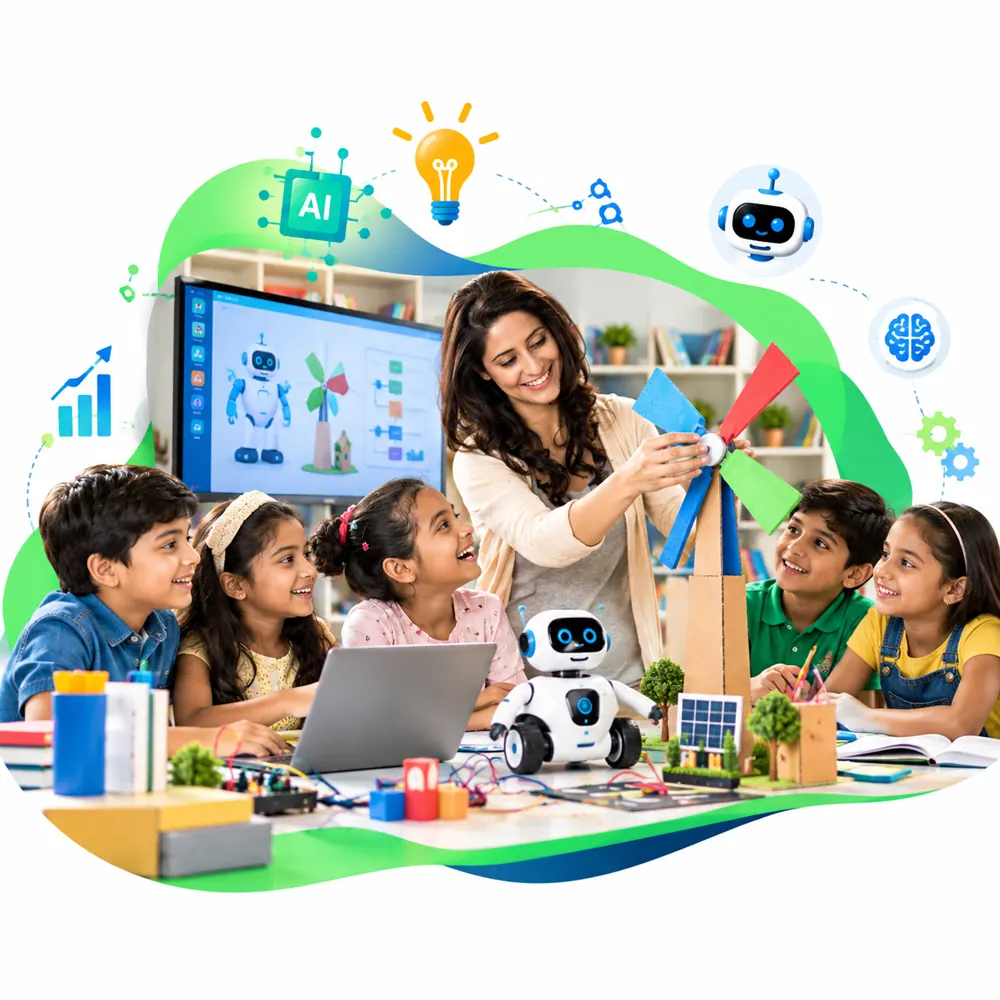
For Student Innovators Hub, Moris AI Schools begins with the institution rather than a fixed package. Education technology affects people with different responsibilities: students need understandable learning experiences, teachers need workable classroom routines, administrators need reliable processes, and leadership needs to know why a system is being introduced. A useful plan therefore starts by examining the existing environment. That includes the curriculum or training purpose, current devices and applications, educator confidence, learner access, technical support and the decisions that must remain under human control. This prevents technology from becoming an additional burden placed on top of already busy academic work.
In the institution, the same principle matters whether the organisation is a private school, government school, college, university, educational institute, corporate learning team or e-learning provider. The technology may differ, but the practical questions remain similar. Who will use it? What problem will it address? What information does it require? How will teachers or faculty check its output? What happens when a user needs support? Moris AI Schools treats these questions as part of implementation, not as issues to consider after deployment. This keeps attention on education outcomes and day-to-day usability rather than on the novelty of a tool.
Review Cycles
Check whether systems remain useful as curriculum, staffing, learner behaviour and institutional priorities change.
Skill Continuity
Develop educator and team capability that can transfer to new tools instead of depending entirely on one platform.
Planned Expansion
Add classrooms, labs, applications or departments in stages based on evidence from earlier implementation.
Institutional Learning
Use feedback from teachers, students and administrators to improve the system rather than treating deployment as the finish.
Give Students More Ways to Learn by Doing
Discuss the learning, technology and implementation requirements your institution needs to address next.
Moris AI Schools can review your current education environment and help define a practical next step for classrooms, educators, learners and institutional systems.

Request a Call Back
Five quick details. Our team takes it from there.
Tell us your requirement
We will route your enquiry to the right Moris AI Schools team.
Thank you
Your enquiry has been received. A team member will contact you using the details you provided.
More in Moris AI School Community
Back to Home
Help teachers, professors and trainers learn AI through guided classroom practice.
Explore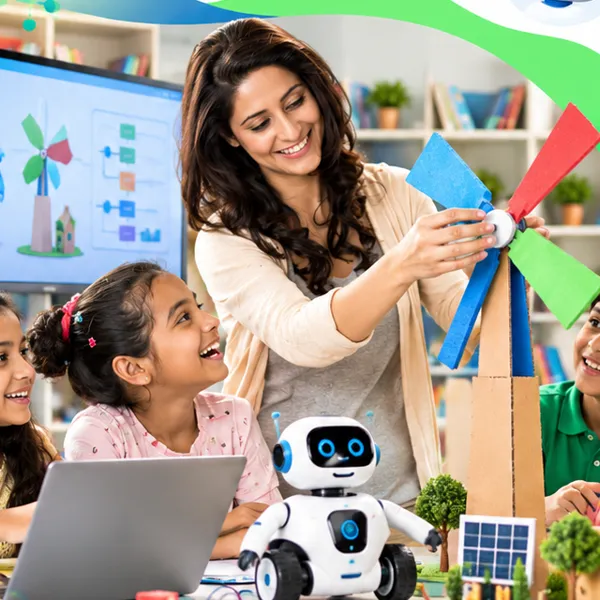
Give families clear guidance on AI learning, responsible use and school value.
Explore
Train decision-makers and employees around real work, not theory-only courses.
ExploreConnect educators, students, parents and professionals around practical learning.
Explore