


Moris AI Schools Media and Press Resources for Responsible Reporting
Find factual context, press information and the right route for focused media requests.
Journalists, editors and researchers can request relevant Moris AI Schools context, factual clarification, press information or spokesperson access.



01Part 1 of 7
Understand Moris AI Schools Before Preparing a Media Request
Accurate reporting starts with the correct description of the organization.

Moris AI Schools should be described as an education and capability ecosystem focused on practical AI learning and institutional transformation, not simply as an online course provider. Its areas can include school and campus transformation, AI-enabled classrooms, educational applications, educator and professor training, AI labs, student practical exposure, internships, professional learning, corporate education and partnership development. Media coverage becomes more accurate when the requested subject is connected to the correct part of this model.
Journalists and researchers should state which area they are covering. A story about children's classroom engagement requires different context from a report on university AI labs. A feature about teacher readiness differs from a business story about corporate AI capability. Partnership expansion, student internships and educational technology also involve separate questions and stakeholders.
02Part 2 of 7
Request Context on Universities Teachers and Students
Education reporting benefits from separating technology from learning outcomes.
AI in education is often reported through new tools, but the more important questions concern how those tools affect teaching, learning, access and institutional practice. Moris AI Schools can provide context on areas such as teacher capability, student engagement, practical AI learning, smart classroom planning, AI research labs, digital libraries and institutional readiness. A media request should specify which part of the education system is relevant.
Private schools may be interested in differentiated learning experiences and parent expectations. Government schools may raise questions of scale, access and teacher support. Colleges and universities may focus on faculty capability, research environments, student employability and industry exposure. E-learning platforms have different challenges around remote instruction and digital engagement.
03Part 3 of 7
Explore Practical AI Learning and Internship Context
Career reporting should separate learning opportunities from job outcomes.
Students and professionals increasingly seek practical exposure because theoretical knowledge alone may not demonstrate workplace readiness. Moris AI Schools emphasizes practical learning, departmental exposure and opportunities to understand how skills apply in real operating environments. Media enquiries about internships and careers should distinguish between the educational purpose of this exposure and any specific employment outcome.
A responsible story can examine how students identify interests, work with teams, learn professional expectations and develop applied skills. It can also examine the challenges: participants still need discipline, communication, problem-solving and the ability to learn from feedback. An internship is not valuable simply because it carries a recognizable label; the quality of tasks, supervision and reflection matters.
04Part 4 of 7
Request Corporate Partnership and Business Education Context
Business coverage can examine how leaders build practical AI understanding.
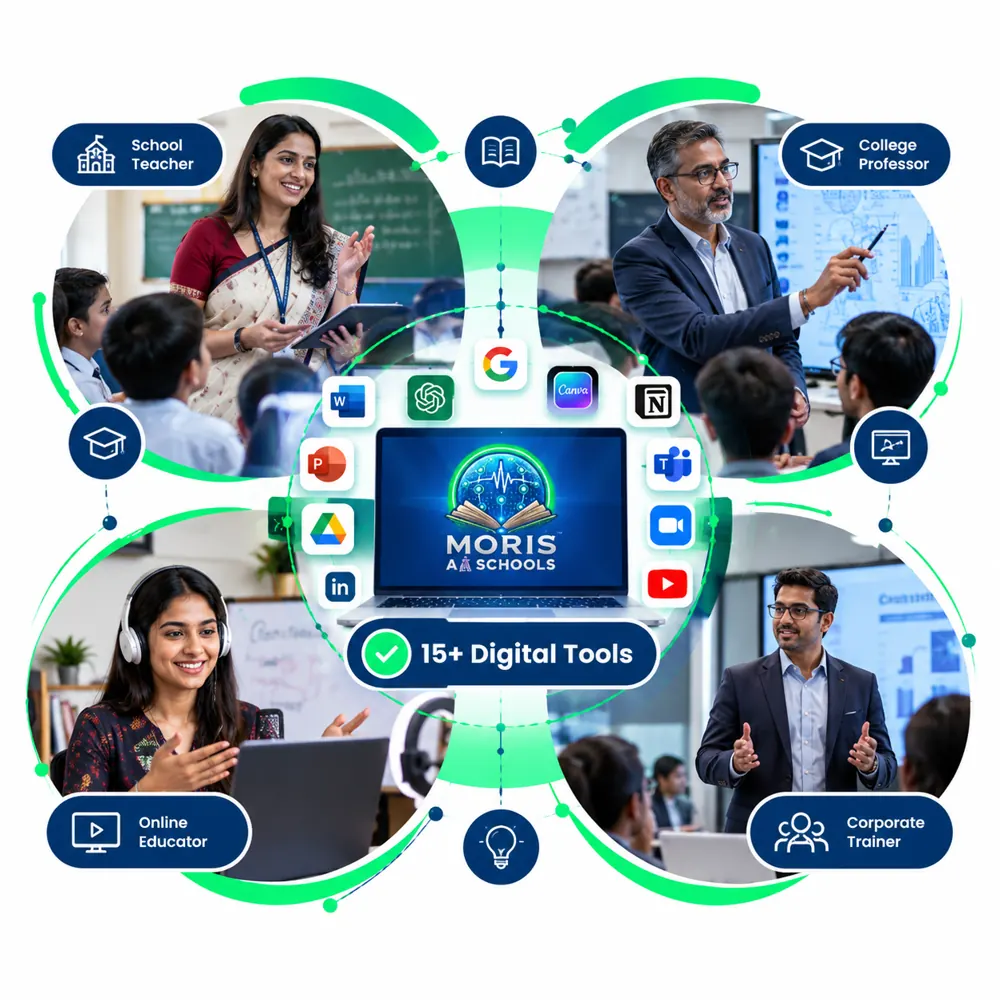
Moris AI Schools also works at the intersection of education and business capability. Founders, managers and corporate teams may need enough understanding of AI, marketing, communication and digital operations to evaluate proposals, manage employees and make better-informed decisions. Media requests in this area should identify whether the story concerns leadership education, workforce training, partnership development or another business issue.
Partnership coverage may focus on how regional affiliates can help extend education access. Such reporting should clarify what responsibilities remain with Moris AI Schools and what responsibilities belong to a partner. It should not assume that an enquiry or discussion constitutes an approved affiliation.
05Part 5 of 7
Prepare a Media Enquiry That Can Be Answered Responsibly
Publication details, questions and deadlines help the press team respond.
A strong media enquiry should include the journalist's name, publication or production, subject, intended format, core questions and deadline. If the request relates to a specific Moris AI Schools page, program or public statement, include that reference. If data is being requested, state the metric, period and population required. This reduces the risk of answering a different question from the one the journalist intends to publish.
Media professionals should also indicate whether they need background information, an attributable statement, an interview, visual material or fact checking. These are different requests and may require different preparation. An interview request should explain the angle so the appropriate spokesperson can be considered.
06Part 6 of 7
Use Data Claims Quotes and Brand Information With Precision
Media resources should prevent unsupported statistics and wrong attribution.
Numbers can make an education story appear authoritative, but they need context. A count of learners, institutions, countries, programs or outcomes should only be used when the figure is current, defined and supported by an appropriate source. Moris AI Schools should not encourage media to repeat numbers simply because they appeared in older promotional material. Reporters should ask what the number measures and when it was last updated.
The same applies to quotations and brand descriptions. A statement from Moris AI Schools should not automatically be attributed to Moris Media, and vice versa, unless the relationship is relevant and correctly explained. Program names, partnership status and institutional roles should be checked before publication.
07Part 7 of 7
Build Better Public Conversations About AI and Education
Press engagement can move beyond hype toward practical questions that matter.
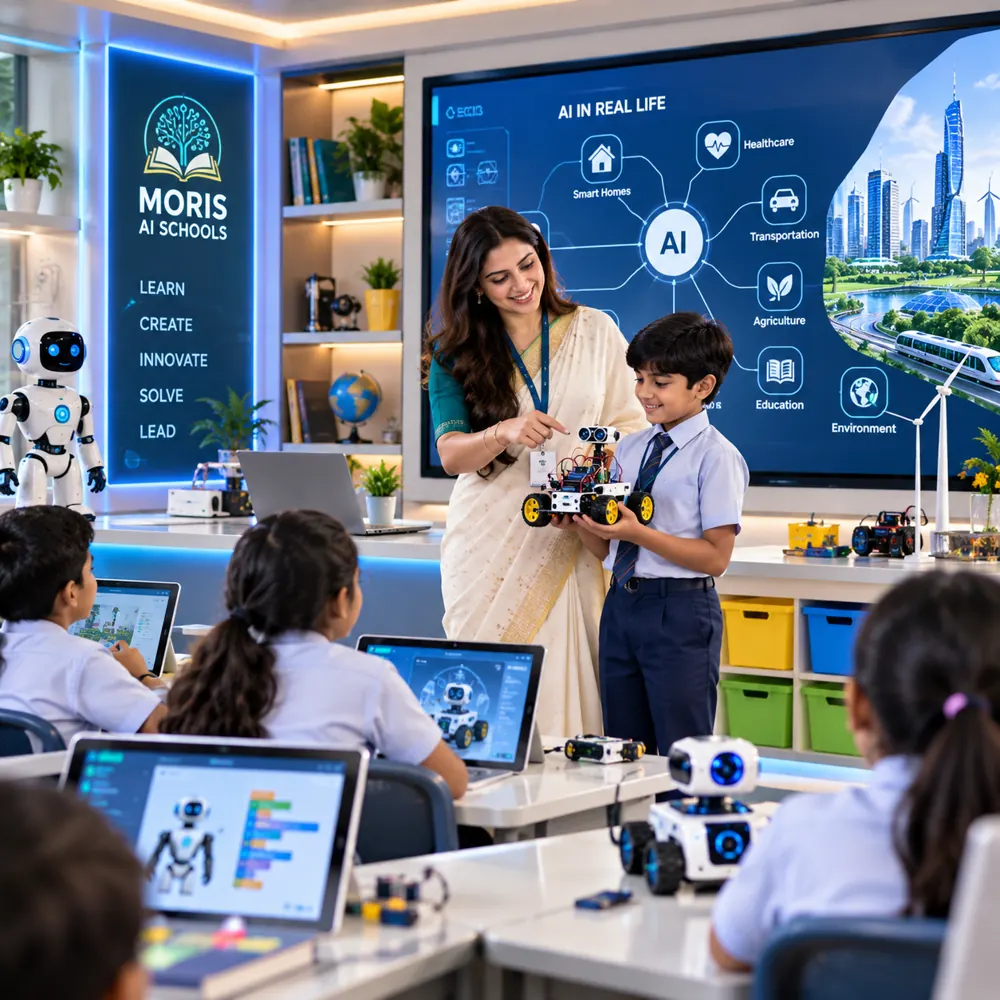
AI education is a public-interest subject because it affects children, teachers, institutions, workplaces and families. Media coverage has an important role in explaining both opportunity and limitation. Stories can examine how teachers adapt, how students learn to verify outputs, how institutions protect judgment and privacy, how businesses prepare employees and how parents understand changing learning environments.
Moris AI Schools can contribute context from its areas of work, but media professionals should continue to seek multiple perspectives where a story requires broader evidence. An organization's experience is one source, not a substitute for independent reporting.
Send a Focused Moris AI Schools Media Request
Move from a broad question to the right information, support route or conversation.
Tell Moris AI Schools what you need to understand, improve or evaluate. Clear context helps connect your question with a useful next step without unnecessary delays.

One Simple Contact Form. The Right Route From the Start.
Tell us what your enquiry is about and give us a way to reach you.
General Contact & Consultation
How Can We Help?
Thank you
Your enquiry has been received. The Moris AI Schools team can route it according to the topic you selected and contact you using the details provided.
More in Support & Connect
Back to Home
Tell us what you need so your enquiry reaches the team with relevant context.
Explore
Understand programs, support routes and requirements before choosing your next step.
Explore
Review practical answers for institutions, educators, students, parents and businesses.
Explore
Find the right contact path for education, careers, partnerships, institutions and media.
Explore