
Practical AI Courses and Certification for Real-World Skills
Choose structured learning for students, educators, professionals and institutions based on practical needs.
Moris AI Schools courses combine clear instruction with guided practice so learners can build usable AI skills for education, employment, teaching and business roles.
01Part 1 of 7
Courses Designed Around What Learners Need to Do
Select learning by role, responsibility and practical outcome rather than following the same syllabus for everyone.
Moris AI Schools treats a course as a structured learning experience, not a collection of theory slides. The purpose of the Courses and Certification page is to help learners and institutions identify training that matches a real responsibility. Students may need foundational AI literacy and project experience. Teachers may need classroom applications. Professors may need academic and research-related guidance. Professionals may need AI skills connected with marketing, communication, analysis or team workflows. Institutional programs may need to serve several of these groups at the same time.
The first step is to define the learner or institution, the problem being addressed and the result expected. This prevents AI education from becoming a collection of unrelated tools. In Columbus, the same principle can help a school, college, university or individual decide what should be learned first and what can wait. Clear priorities also make it easier to select suitable training, infrastructure and support.
02Part 2 of 7
Student Courses Build Skills Through Guided Practical Work
Help learners move from basic AI awareness to projects, responsible use and stronger digital confidence.
Practical learning is important because AI tools change quickly. Memorising the location of a button or repeating a definition has limited value if the learner cannot evaluate an output, correct a weak result or decide whether a tool should be used at all. Courses should therefore build judgement alongside technical familiarity. Guided exercises, supervised tasks and role-relevant examples help learners understand both capability and responsibility.
Different age groups and professional roles require different levels of explanation and supervision. Younger learners need structured, age-appropriate activities. Older students can take on projects that require research, evaluation and presentation. Educators need methods they can use with their own learners. Professionals need examples connected with their responsibilities. Moris AI Schools keeps these differences visible when learning plans are prepared.
03Part 3 of 7
Teacher and Professor Training Focused on Classroom Use
Develop practical faculty capability for lesson planning, student guidance, assessment support and responsible AI use.
Certification can document completion of a defined learning path, but the certificate should not be treated as a substitute for ability. Moris AI Schools places greater value on what the learner can understand and apply. Where a program includes projects, practical assessment, internship exposure or institutional activities, those experiences can help learners connect course content with the expectations of study and work.
Practical exposure should include the habit of checking AI output. Learners should be able to question an answer, compare it with trusted information, identify missing context and decide whether human expertise is required. This is especially important in education because a fluent response can still be incomplete or incorrect. Responsible learning therefore includes verification, privacy awareness and clear accountability.
Practical Application
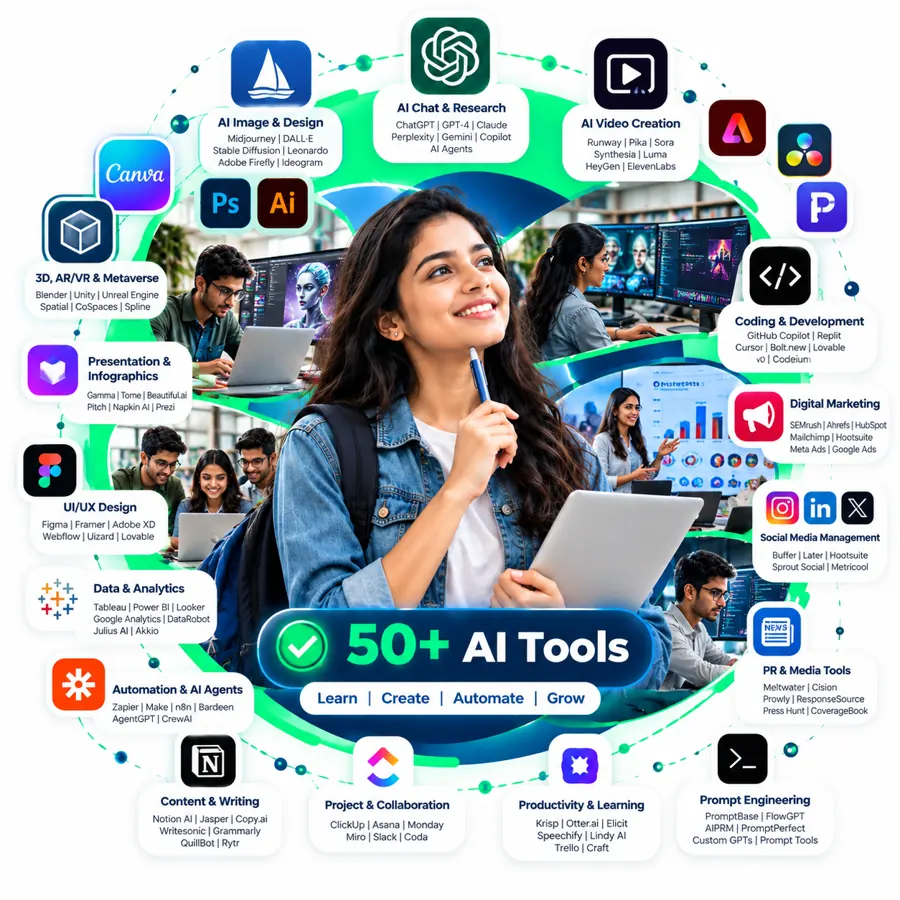
Learning connects concepts with guided tasks so participants can practise, review results and understand how AI fits real educational or working responsibilities.
Human Review
Teachers, learners and professionals remain responsible for checking information, protecting context and deciding when expert judgement should take priority.
Role Relevance
Examples and activities are matched to the learner's role so training stays connected with classrooms, institutions, careers or business responsibilities.
Ongoing Support
Institutions can connect initial learning with further training, classroom systems, labs, digital resources or practical exposure as their needs develop.
04Part 4 of 7
Professional Learning Connected With Workplace Responsibilities
Build AI understanding for research, communication, marketing, planning and team-based business activities.

Moris AI Schools treats a course as a structured learning experience, not a collection of theory slides. The purpose of the Courses and Certification page is to help learners and institutions identify training that matches a real responsibility. Students may need foundational AI literacy and project experience. Teachers may need classroom applications. Professors may need academic and research-related guidance. Professionals may need AI skills connected with marketing, communication, analysis or team workflows. Institutional programs may need to serve several of these groups at the same time.
For institutions across Ohio, adoption also depends on people. A classroom system will have limited value if teachers are uncomfortable using it or if students do not understand the rules. Training, orientation, support and review need to be part of implementation. Moris AI Schools can connect these elements so that technology decisions and learning decisions are not made separately.
05Part 5 of 7
Certification Should Represent Learning, Not Just Attendance
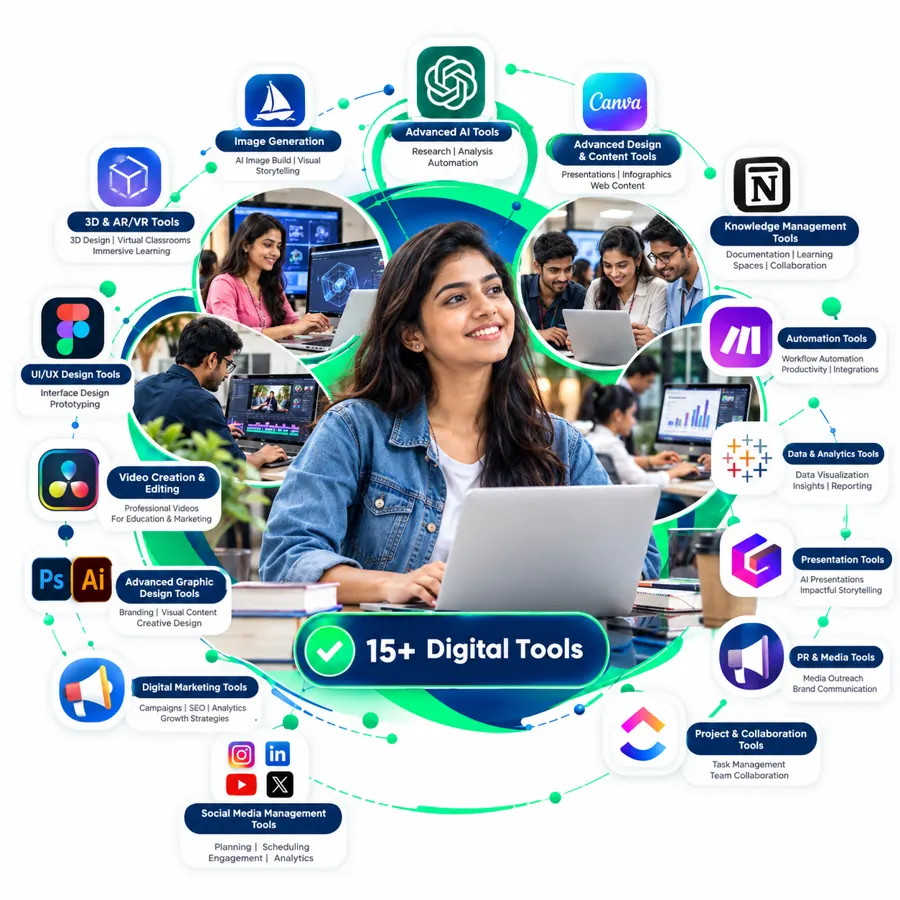
Connect completion with participation, practical exercises and demonstrated understanding of the subject covered.
Practical learning is important because AI tools change quickly. Memorising the location of a button or repeating a definition has limited value if the learner cannot evaluate an output, correct a weak result or decide whether a tool should be used at all. Courses should therefore build judgement alongside technical familiarity. Guided exercises, supervised tasks and role-relevant examples help learners understand both capability and responsibility.
The connection with real work becomes particularly important for college students, university students and professionals. Learning should help participants understand how teams operate, how tasks are reviewed and how quality is judged. Where relevant programs provide practical exposure or internships, learners can see how their interests and abilities fit different roles instead of making career choices only from job titles or theory.
Practical Application
Learning connects concepts with guided tasks so participants can practise, review results and understand how AI fits real educational or working responsibilities.
Human Review
Teachers, learners and professionals remain responsible for checking information, protecting context and deciding when expert judgement should take priority.
Role Relevance
Examples and activities are matched to the learner's role so training stays connected with classrooms, institutions, careers or business responsibilities.
Ongoing Support
Institutions can connect initial learning with further training, classroom systems, labs, digital resources or practical exposure as their needs develop.
06Part 6 of 7
Institutional Programs Can Support Wider AI Readiness Plans
Coordinate courses with classrooms, labs, faculty development and student programs across schools and universities.
Certification can document completion of a defined learning path, but the certificate should not be treated as a substitute for ability. Moris AI Schools places greater value on what the learner can understand and apply. Where a program includes projects, practical assessment, internship exposure or institutional activities, those experiences can help learners connect course content with the expectations of study and work.
In 2026, the important question is not whether AI exists in education and work, but whether people know how to use it with judgement. Moris AI Schools focuses on building that judgement through explanation, practice and support. Readers can use this page to identify the next useful step, whether that is further learning, teacher development, classroom planning, institutional consultation or professional training.
07Part 7 of 7
Course Pathways Can Continue Into Practice and Career Exposure
Connect structured learning with projects, institutional use and relevant practical experience.
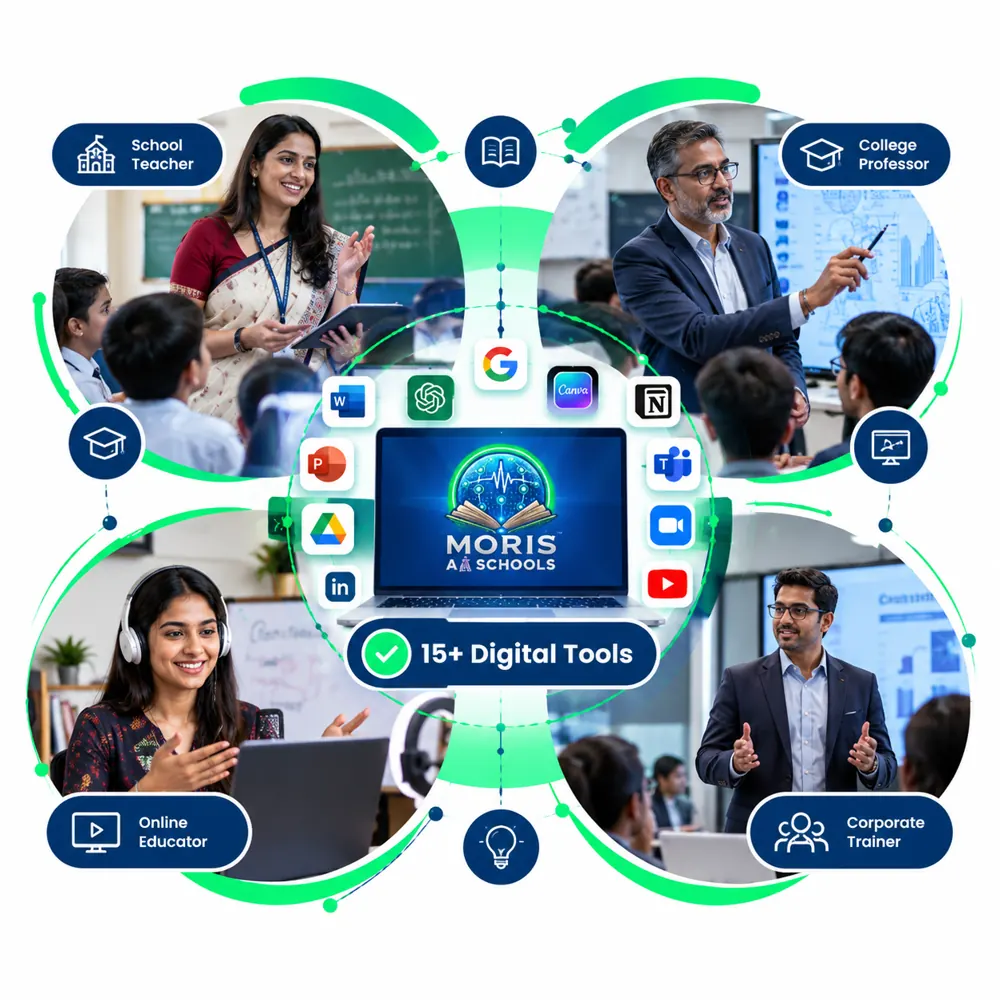
A course becomes more useful when learners can see what comes after the final lesson. Students may need projects that show how concepts work in practice. College and university learners may benefit from internship exposure that helps them understand departments, working standards and the type of role that suits their strengths. Teachers may need follow-up support as they apply new methods in their own classrooms. Professionals may need to adapt what they learned to a team or business process.
Moris AI Schools can connect appropriate learning programs with these next steps. The exact route depends on the program and participant, so practical exposure should be explained clearly rather than presented as a generic promise. Where internships or career pathways are available, learners can be assessed in relation to their interests, abilities and the requirements of participating teams. This creates a more informed connection between education and work.
Plan Your Next Practical Learning Step
Move from information to a clear learning, classroom or institutional action plan.
Speak with Moris AI Schools about the learning, training or technology support that fits your role and current needs without adding unnecessary complexity.
Request a Call Back
Five quick details. Our team takes it from there.
Tell us your requirement
We will route your enquiry to the right Moris AI Schools team.
Thank you
Your enquiry has been received. A team member will contact you using the details you provided.
More in Learn
Back to Home
Learn how AI can support students, educators, institutions and professionals in real settings.
Explore
Plan classroom technology that supports teachers, engages students and fits the institution's educational goals.
Explore
Read clear guidance for students, educators, institutions and professionals without unnecessary technical language.
Explore
Build useful AI skills through practical learning designed for real education and work.
Explore