Practical AI Learning for Schools, Teachers and Professionals
Build useful AI skills through practical learning designed for real education and work.
Moris AI Schools connects learners, educators and institutions with practical AI education, guided training and technology that can be used in real settings.

Explore Learn

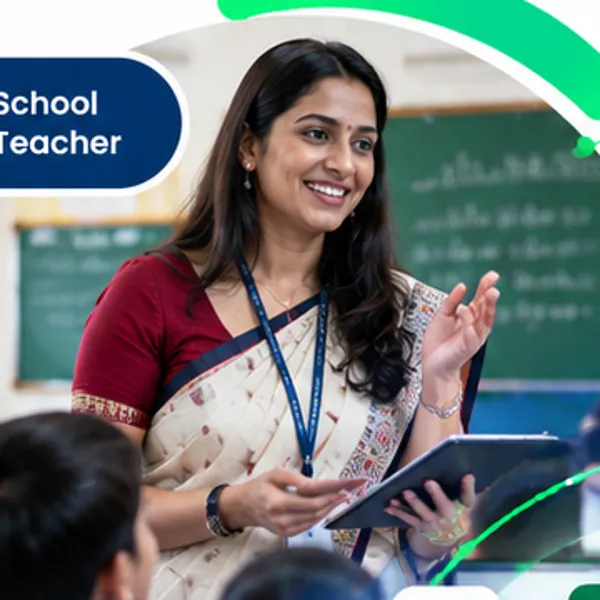
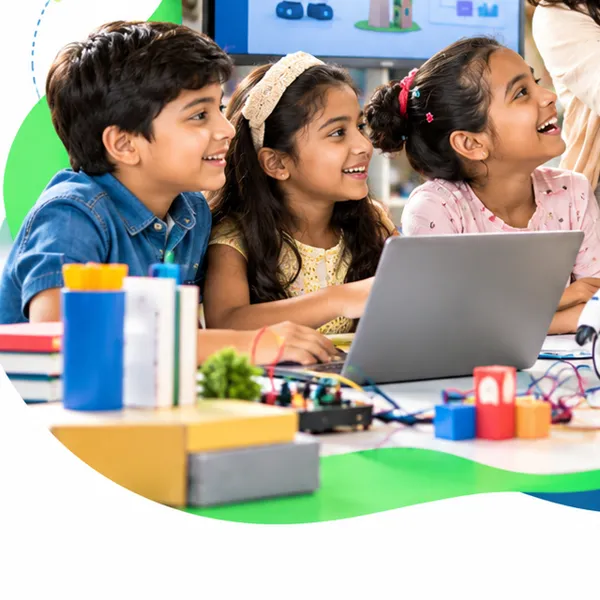
Learn how AI can support students, educators, institutions and professionals in real settings.
Explore
Choose structured learning for students, educators, professionals and institutions based on practical needs.
Explore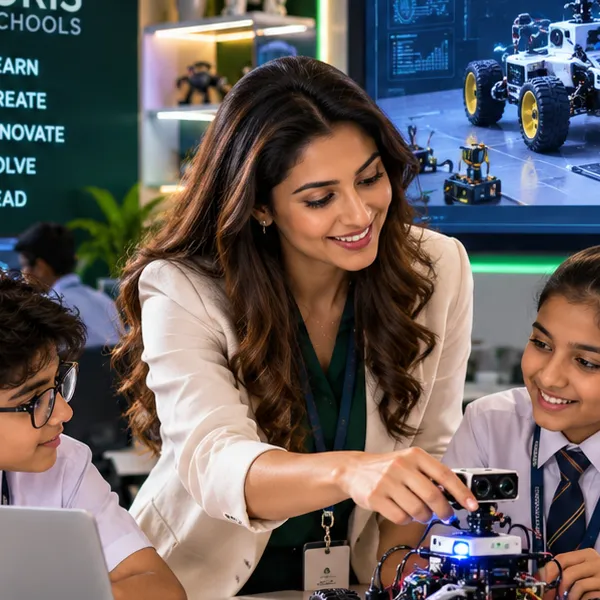
Plan classroom technology that supports teachers, engages students and fits the institution's educational goals.
Explore
Read clear guidance for students, educators, institutions and professionals without unnecessary technical language.
Explore01Part 1 of 7
AI Learning Built Around Real Educational Needs Today
Understand AI through practical use cases that connect classrooms, careers and institutions.
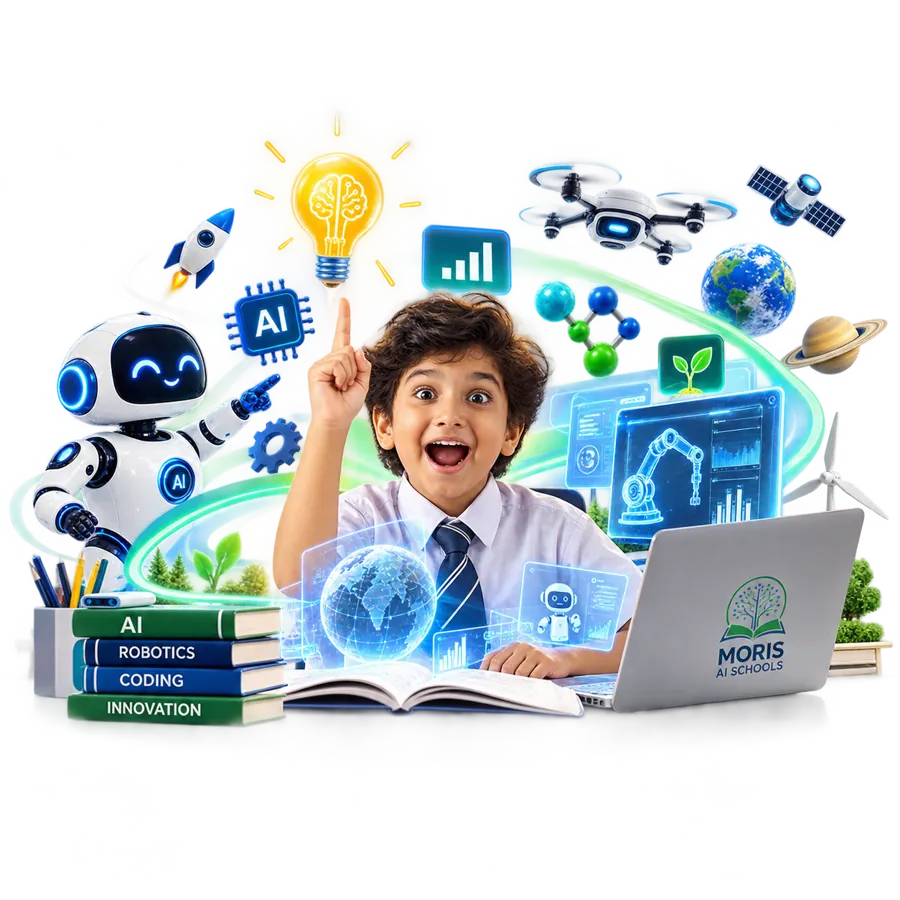
Moris AI Schools approaches learning as a working system rather than a collection of isolated lessons. A school may need teachers who can use AI responsibly in daily teaching. A college may need students who understand how AI fits into projects, research and employment. A university may need faculty development, labs and practical exposure. A professional may need to understand how AI changes the way work is planned, checked and delivered. The Learn section brings these needs into one structured place.
The aim is to help people understand what AI can do, where it is useful, where human judgement remains essential and how the technology can be applied without turning education into a screen-only experience. Learning is connected to actual tasks so that participants can test ideas, ask questions, correct mistakes and build confidence through use. For younger learners, this means age-appropriate activities that make lessons more engaging without creating unnecessary pressure. For teachers, it means practical support that can improve preparation, explanation and classroom management. For professionals, it means learning that connects directly with work.
02Part 2 of 7
Learning Paths for Every Role in Modern Education Systems
Choose learning based on responsibilities, goals and the environment where AI will be used.
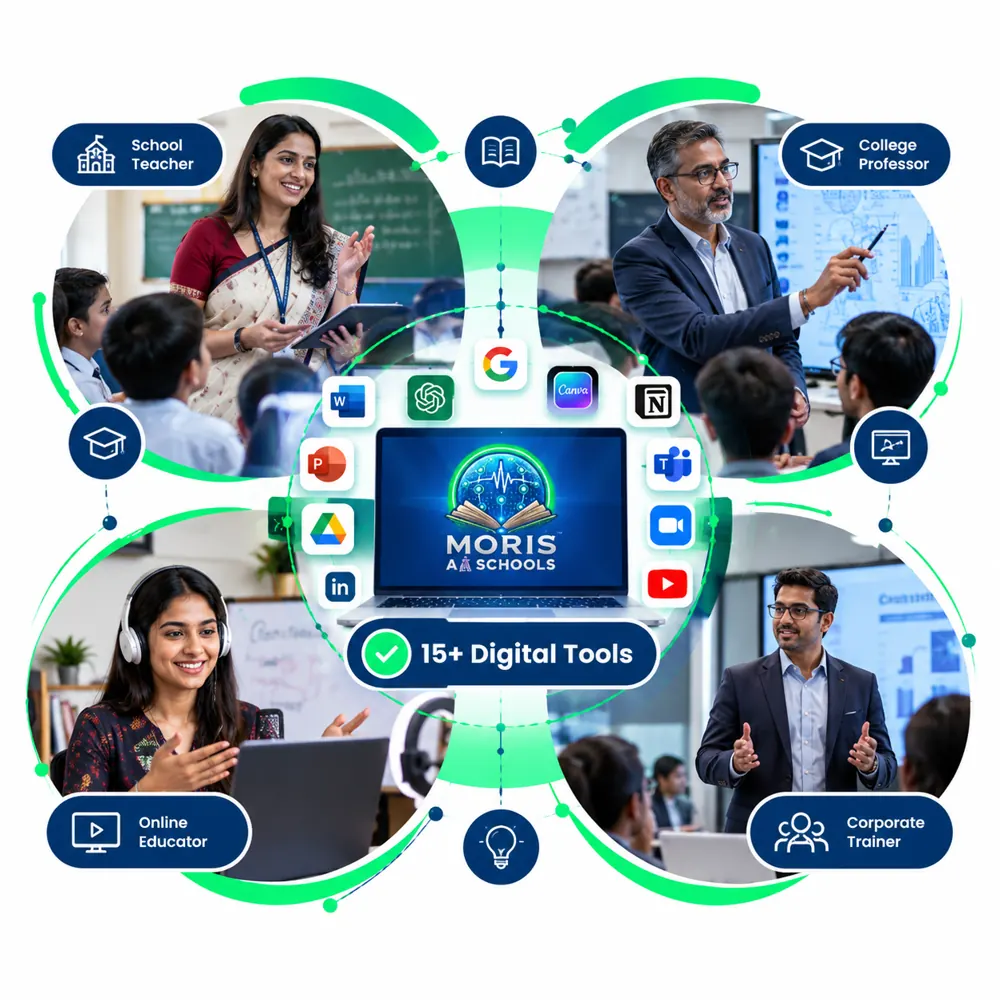
AI education should not look identical for a child, a teacher, a professor, a school administrator and a business leader. Moris AI Schools structures learning around the role of the learner and the decisions that person needs to make. Students can develop AI awareness, digital confidence, responsible usage habits and practical project experience. Teachers can learn how to prepare lessons, create classroom activities, review information, support different learning levels and use AI without losing their own teaching judgement.
College professors and university faculty can work with more advanced academic and professional applications, including research support, structured analysis, project supervision and the responsible use of AI by students. Institutional administrators can focus on technology planning, workflows, data handling, communication and the practical requirements of AI-assisted administration. Professionals and business decision-makers can learn how AI affects marketing, operations, hiring, communication and team productivity.
03Part 3 of 7
Practical Learning That Moves Beyond Course-Only Theory
Use guided activities, projects and real tasks to turn knowledge into working ability.
Many learners can describe AI concepts but still struggle when they need to use the technology for an actual task. Moris AI Schools places practical exposure at the centre of learning. Concepts are introduced with enough explanation to create understanding, then connected with exercises, projects and guided use. This approach helps learners see the difference between knowing a definition and being able to make a responsible decision with a tool.
For students, practical learning can include structured projects that encourage curiosity, problem solving and communication. For teachers, it can involve preparing a lesson, adapting material for different levels, reviewing AI-generated information and setting clear classroom rules. For professionals, practice can be connected with real functions such as research, marketing, communication, planning and analysis. Institutions can also connect training with their own classrooms, labs and digital systems so that learning continues after a workshop ends.
Role Based Learning
Learning is planned around the learner's responsibilities so students, educators and decision-makers receive relevant practical instruction.
Guided Practice
Activities move from explanation to supervised use, helping learners understand both the capability and limits of AI tools.
Institutional Support
Schools, colleges and universities can connect training with classrooms, labs, administration and wider technology planning.
Career Exposure
Relevant programs can connect learners with practical work settings that help them understand roles, expectations and professional standards.
04Part 4 of 7
Education Technology That Supports People Instead of Replacing
Build classrooms and learning systems where teachers remain central to judgement and guidance.
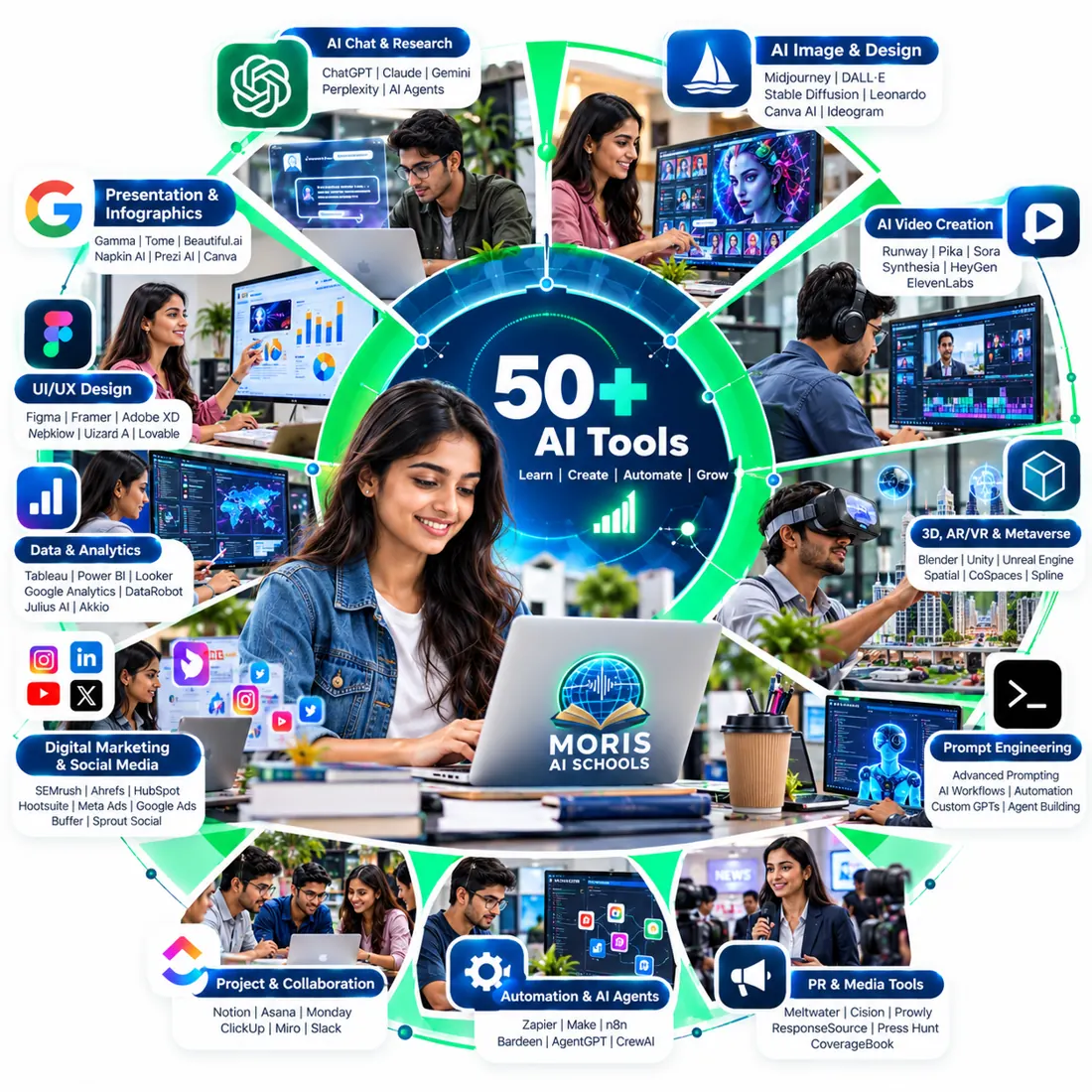
Technology in education has value when it helps teachers teach, students learn and institutions operate with greater clarity. Moris AI Schools does not treat AI as a reason to remove educators from the learning process. Teachers and professors remain essential because they understand the learner, the subject, the classroom context and the responsibility involved in education. AI can support preparation, explanation, practice and administration, but human oversight remains necessary.
This principle shapes the wider Moris AI Schools model. Training can be connected with smart classrooms, AI teaching assistants, educational applications, digital libraries, AI research labs and AI-assisted administration. Each part should solve a defined educational or operational need. Institutions should know why a tool is being introduced, who will use it, what training is required and how its use will be reviewed.
05Part 5 of 7
From Learning to Classrooms, Internships and Daily Work
Connect education with the settings where learners will apply their knowledge after training.
A useful learning journey should lead somewhere. For a school teacher, that destination may be a better prepared classroom. For a student, it may be a project, internship or clearer understanding of a future role. For a professor, it may be stronger academic guidance and more informed use of AI in research or teaching. For a business professional, it may be a better decision, a more capable team or a clearer workflow.
Moris AI Schools connects learning with these practical destinations. Schools can move from teacher training into digital classroom tools and AI-assisted learning environments. Colleges and universities can connect faculty readiness with AI labs and student internships. Professionals can connect learning with marketing, communication, operations and other business functions. Decision-makers can use training to understand what their teams should do, what should remain under human review and where technology investment may be useful.
06Part 6 of 7
Choose the Right Starting Point for Your AI Learning
Begin with your current needs, then build a learning route that can grow with you.
The right starting point depends on what you already know and what you need to achieve. A parent may begin by understanding how AI can support a child's education safely. A teacher may begin with classroom applications. A school leader may need an institutional readiness discussion before choosing tools. A college student may need practical skills and internship exposure. A professional may need focused learning connected with a specific role or department.
Moris AI Schools provides several ways to continue from the Learn section. Courses and Certification explains structured learning options. Digital Classroom Tools covers technology used in teaching and institutional environments. Blogs and Insights provides educational reading for people who want to understand developments before making decisions. Other parts of the Moris AI Schools ecosystem address schools, teachers, professionals, businesses, classrooms, partnerships and community participation.

07Part 7 of 7
Learning Plans That Can Grow With Institutions Over Time
Start with immediate priorities while keeping future training, systems and learner needs in view.
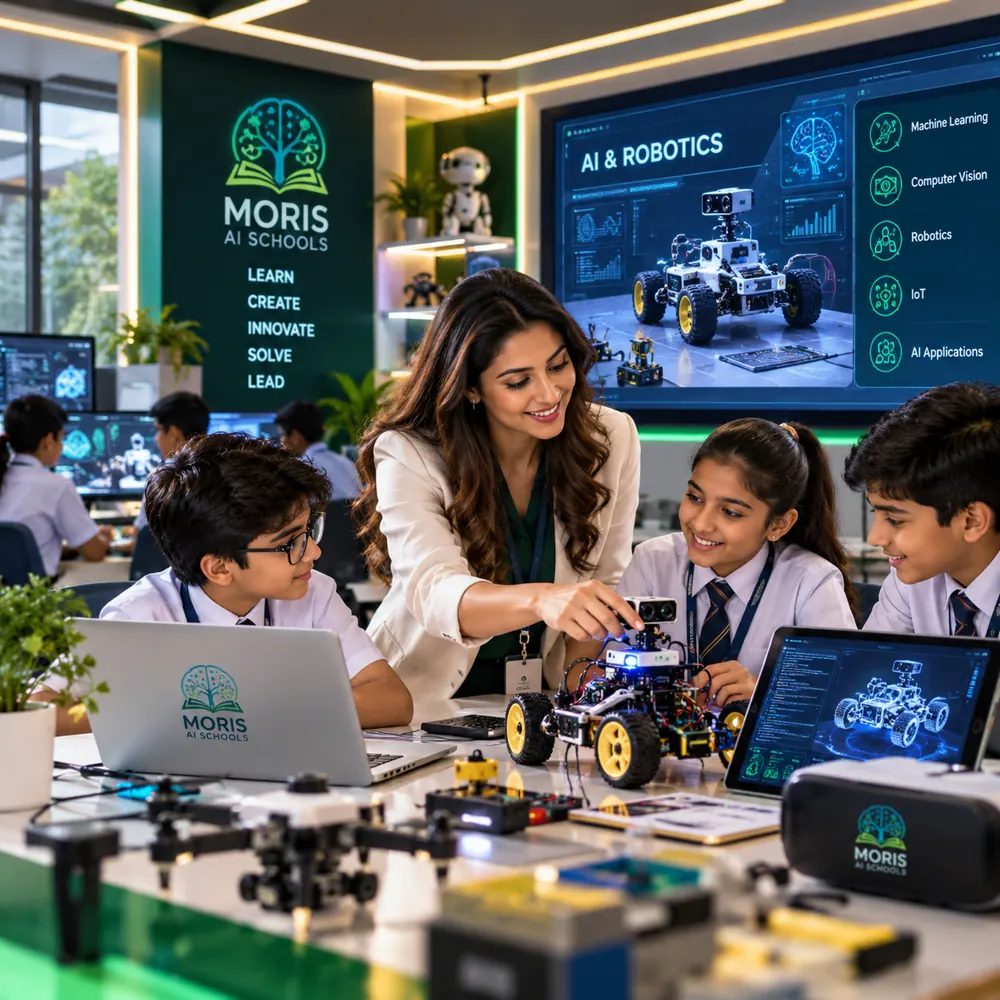
AI adoption in education rarely happens in a single step. A school may begin with teacher awareness before adding classroom tools. A college may start with student training and later establish an AI lab. A university may need faculty development, internship pathways and administrative planning at different stages. Moris AI Schools can help institutions treat these activities as connected parts of a longer learning plan rather than unrelated purchases or events.
This staged approach can also help government schools, private schools and educational institutes work within their own operational conditions. The immediate requirement may be basic digital readiness, educator training, student engagement or a review of existing systems. Once that foundation is understood, later decisions can be made with better information. Institutions can identify which groups need additional training, which tools are being used effectively and where support is still required.
Build a Practical AI Learning Plan
Choose a learning route that fits your role, institution and practical goals today.
Start with the area that matters most to you and speak with Moris AI Schools about practical learning, classroom use, institutional training or professional development.

Request a Call Back
Five quick details. Our team takes it from there.
Tell us your requirement
We will route your enquiry to the right Moris AI Schools team.
Thank you
Your enquiry has been received. A team member will contact you using the details you provided.
Continue exploring Moris AI Schools
Back to HomeBuild connected learning environments for schools, colleges and universities.
Explore
Connect educators, students, parents and professionals around practical learning.
Explore
Find a clear way to contribute, learn, partner or stay connected with Moris AI Schools.
ExploreFind the right contact path for education, careers, partnerships, institutions and media.
Explore