
Practical AI Training for Online Educators With Moris AI Schools
Build practical AI teaching capability that supports learners and strengthens
Moris AI Schools helps online educators use AI responsibly in real teaching, training and learner-support work without reducing human judgment.


01Part 1 of 7
Build Practical AI Capability Without Replacing Human Judgement
AI should strengthen educator judgment, preparation and learner support in
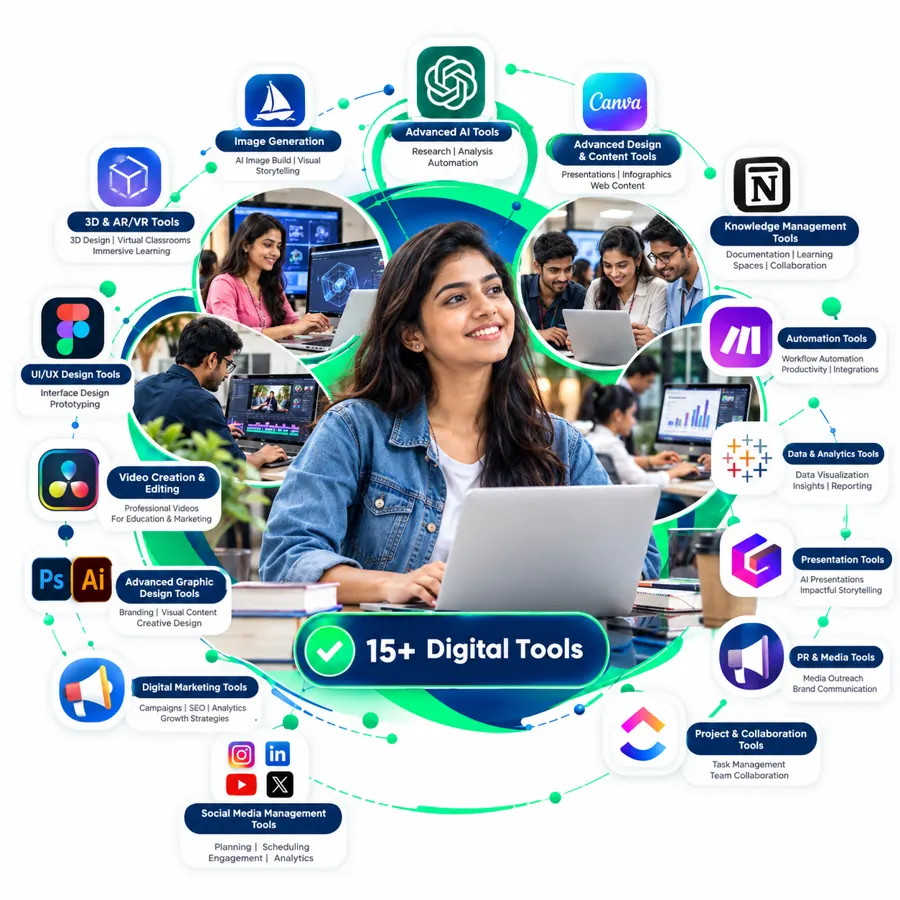
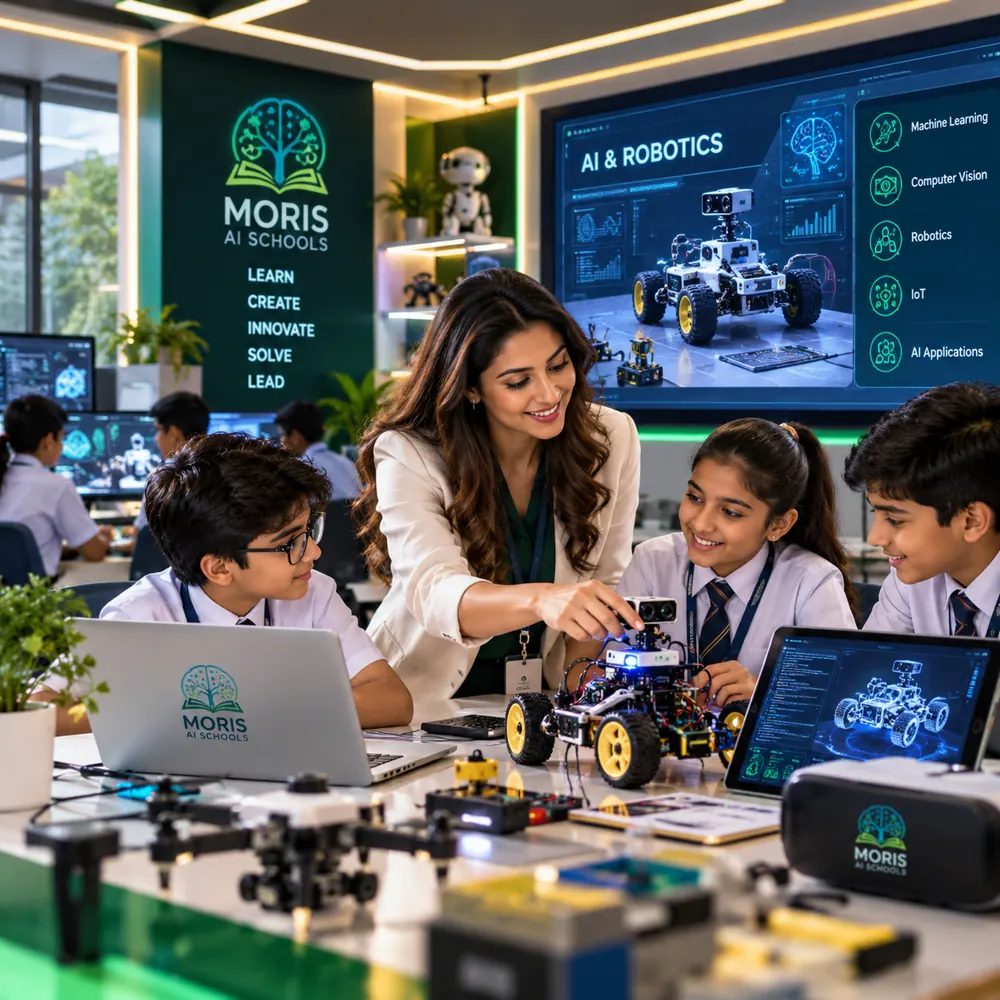
Moris AI Schools approaches online educators development as a practical capability problem, not a theory-only course. Educators teaching through digital and remote learning environments need enough understanding to decide when AI is useful, when it is not, and how to remain responsible for the quality of teaching. The focus includes content preparation, learner interaction, feedback, remote engagement and responsible digital teaching. Training should connect directly with the situations educators face rather than asking them to memorize tool names or repeat technical definitions. In Columbus, this matters because learners are already encountering AI through search, writing, media, productivity and communication tools, often before formal education has established clear guidance.
The starting point is the educator's existing work. Moris AI Schools can help participants examine how they prepare material, explain difficult ideas, create activities, respond to learner questions, review work and manage repetitive tasks. AI can assist parts of those workflows, but the educator still determines learning purpose, checks accuracy and decides what belongs in the learning environment. That distinction protects the role of the teacher or trainer while making technology useful rather than distracting.
02Part 2 of 7
Turn AI Knowledge Into Better Teaching and Learning Practice
Practical training connects tools with real lessons, learners, questions and
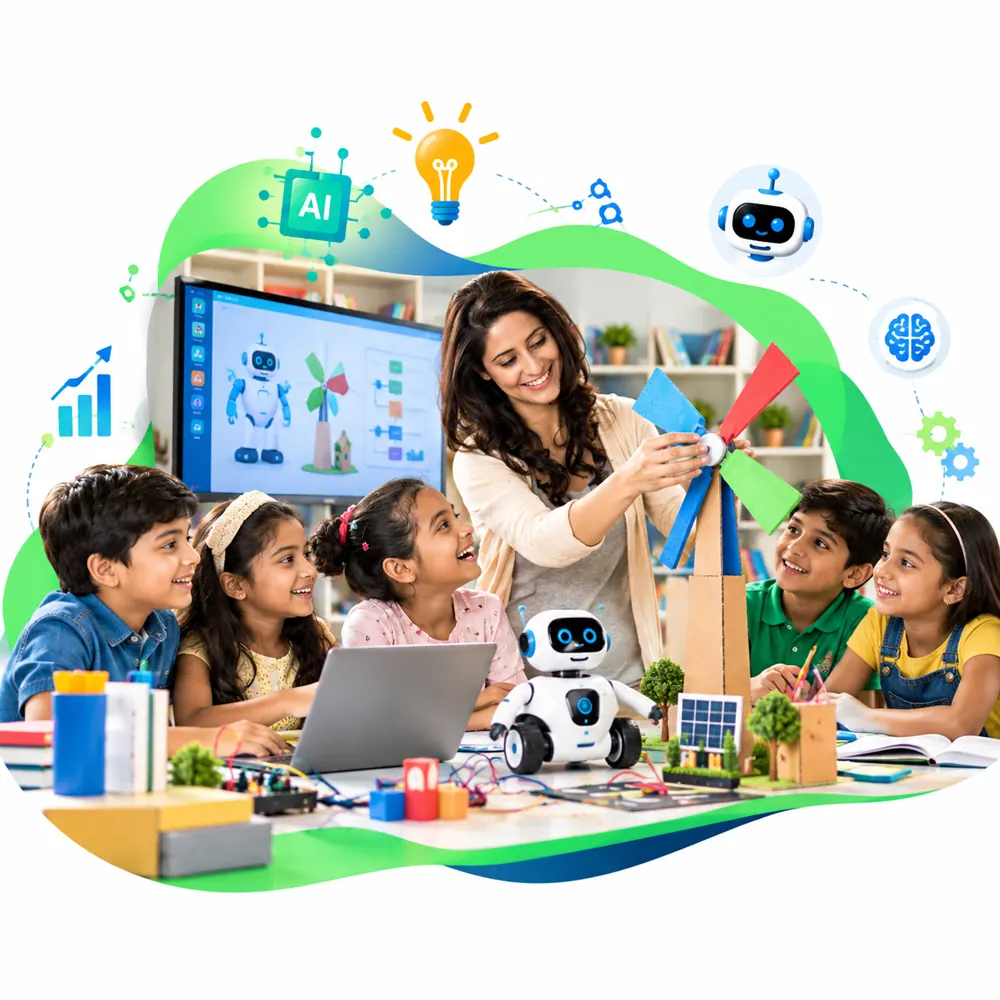
Moris AI Schools approaches online educators development as a practical capability problem, not a theory-only course. Educators teaching through digital and remote learning environments need enough understanding to decide when AI is useful, when it is not, and how to remain responsible for the quality of teaching. The focus includes content preparation, learner interaction, feedback, remote engagement and responsible digital teaching. Training should connect directly with the situations educators face rather than asking them to memorize tool names or repeat technical definitions. In Ohio, this matters because learners are already encountering AI through search, writing, media, productivity and communication tools, often before formal education has established clear guidance.
The starting point is the educator's existing work. Moris AI Schools can help participants examine how they prepare material, explain difficult ideas, create activities, respond to learner questions, review work and manage repetitive tasks. AI can assist parts of those workflows, but the educator still determines learning purpose, checks accuracy and decides what belongs in the learning environment. That distinction protects the role of the teacher or trainer while making technology useful rather than distracting.
03Part 3 of 7
Use AI Responsibly With Clear Human Review and Judgment
Educators need reliable habits for verification, privacy, fairness and
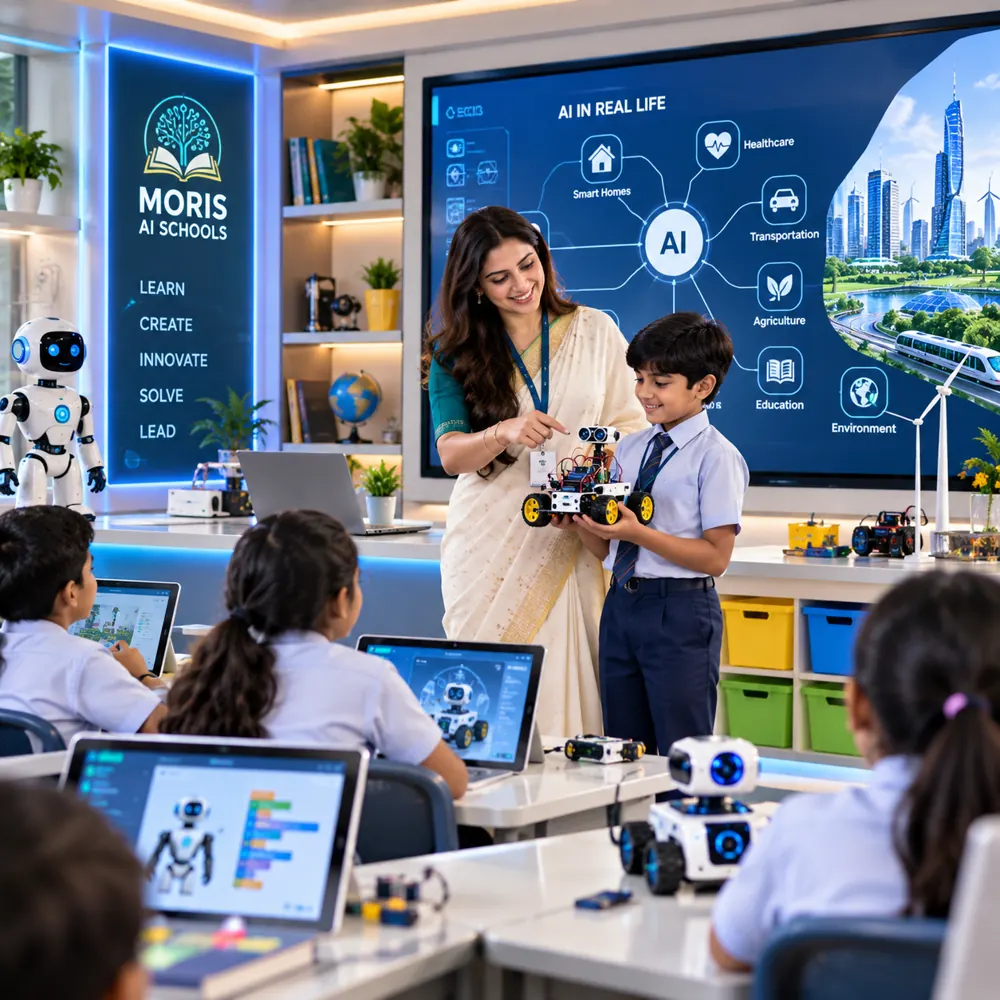
Moris AI Schools approaches online educators development as a practical capability problem, not a theory-only course. Educators teaching through digital and remote learning environments need enough understanding to decide when AI is useful, when it is not, and how to remain responsible for the quality of teaching. The focus includes content preparation, learner interaction, feedback, remote engagement and responsible digital teaching. Training should connect directly with the situations educators face rather than asking them to memorize tool names or repeat technical definitions. In United States, this matters because learners are already encountering AI through search, writing, media, productivity and communication tools, often before formal education has established clear guidance.
The starting point is the educator's existing work. Moris AI Schools can help participants examine how they prepare material, explain difficult ideas, create activities, respond to learner questions, review work and manage repetitive tasks. AI can assist parts of those workflows, but the educator still determines learning purpose, checks accuracy and decides what belongs in the learning environment. That distinction protects the role of the teacher or trainer while making technology useful rather than distracting.

04Part 4 of 7
Keep Learners Engaged as Their Technology Awareness Grows
Teaching remains relevant when educators can guide questions that learners
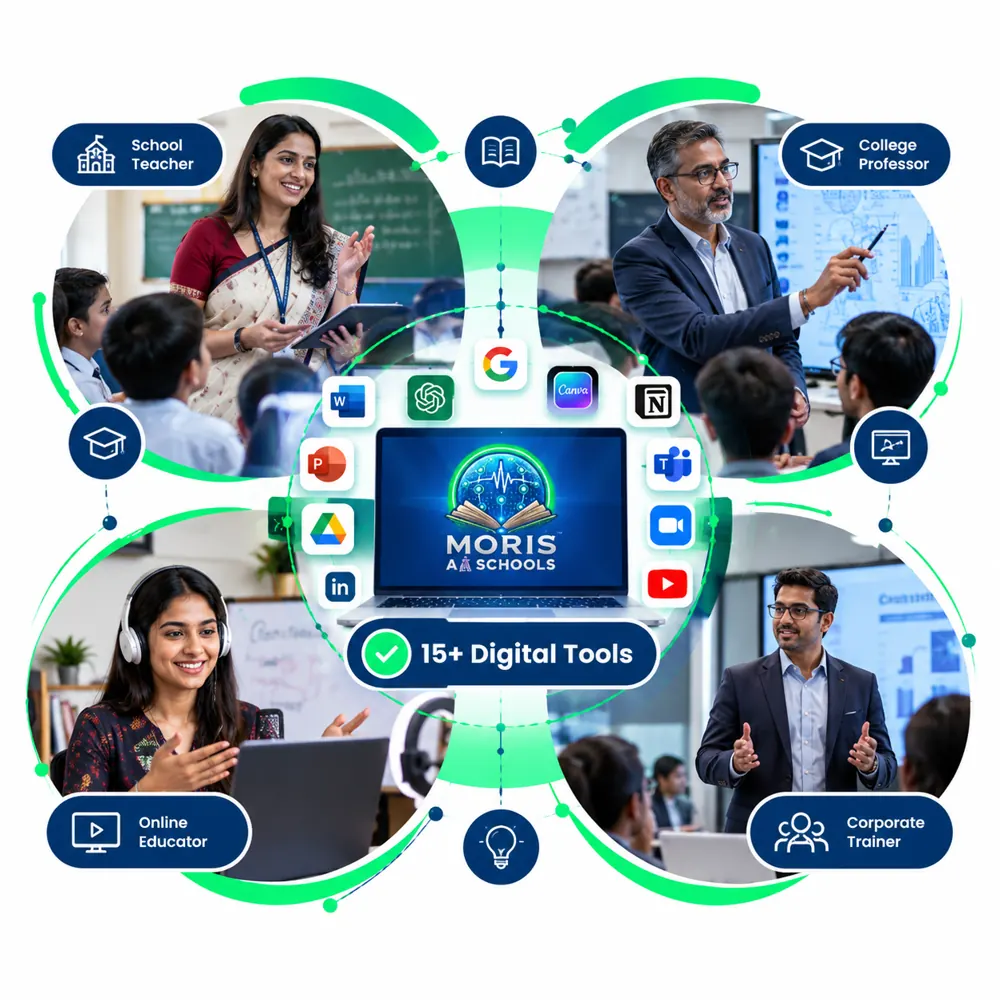
Moris AI Schools approaches online educators development as a practical capability problem, not a theory-only course. Educators teaching through digital and remote learning environments need enough understanding to decide when AI is useful, when it is not, and how to remain responsible for the quality of teaching. The focus includes content preparation, learner interaction, feedback, remote engagement and responsible digital teaching. Training should connect directly with the situations educators face rather than asking them to memorize tool names or repeat technical definitions. In 2026, this matters because learners are already encountering AI through search, writing, media, productivity and communication tools, often before formal education has established clear guidance.
The starting point is the educator's existing work. Moris AI Schools can help participants examine how they prepare material, explain difficult ideas, create activities, respond to learner questions, review work and manage repetitive tasks. AI can assist parts of those workflows, but the educator still determines learning purpose, checks accuracy and decides what belongs in the learning environment. That distinction protects the role of the teacher or trainer while making technology useful rather than distracting.
05Part 5 of 7
Develop Professional Value Through Applied AI Teaching
Practical capability helps educators contribute more confidently to now
Moris AI Schools approaches online educators development as a practical capability problem, not a theory-only course. Educators teaching through digital and remote learning environments need enough understanding to decide when AI is useful, when it is not, and how to remain responsible for the quality of teaching. The focus includes content preparation, learner interaction, feedback, remote engagement and responsible digital teaching. Training should connect directly with the situations educators face rather than asking them to memorize tool names or repeat technical definitions. In Columbus, this matters because learners are already encountering AI through search, writing, media, productivity and communication tools, often before formal education has established clear guidance.
The starting point is the educator's existing work. Moris AI Schools can help participants examine how they prepare material, explain difficult ideas, create activities, respond to learner questions, review work and manage repetitive tasks. AI can assist parts of those workflows, but the educator still determines learning purpose, checks accuracy and decides what belongs in the learning environment. That distinction protects the role of the teacher or trainer while making technology useful rather than distracting.
06Part 6 of 7
Connect Training With Institutional Goals and Real Workflows
Educator development creates more value when leaders support application after
Moris AI Schools approaches online educators development as a practical capability problem, not a theory-only course. Educators teaching through digital and remote learning environments need enough understanding to decide when AI is useful, when it is not, and how to remain responsible for the quality of teaching. The focus includes content preparation, learner interaction, feedback, remote engagement and responsible digital teaching. Training should connect directly with the situations educators face rather than asking them to memorize tool names or repeat technical definitions. In Ohio, this matters because learners are already encountering AI through search, writing, media, productivity and communication tools, often before formal education has established clear guidance.
The starting point is the educator's existing work. Moris AI Schools can help participants examine how they prepare material, explain difficult ideas, create activities, respond to learner questions, review work and manage repetitive tasks. AI can assist parts of those workflows, but the educator still determines learning purpose, checks accuracy and decides what belongs in the learning environment. That distinction protects the role of the teacher or trainer while making technology useful rather than distracting.
07Part 7 of 7
Prepare for the Next Stage of Teaching and Learning in 2026
Continuous learning helps educators respond to changing tools without chasing
Moris AI Schools approaches online educators development as a practical capability problem, not a theory-only course. Educators teaching through digital and remote learning environments need enough understanding to decide when AI is useful, when it is not, and how to remain responsible for the quality of teaching. The focus includes content preparation, learner interaction, feedback, remote engagement and responsible digital teaching. Training should connect directly with the situations educators face rather than asking them to memorize tool names or repeat technical definitions. In United States, this matters because learners are already encountering AI through search, writing, media, productivity and communication tools, often before formal education has established clear guidance.
The starting point is the educator's existing work. Moris AI Schools can help participants examine how they prepare material, explain difficult ideas, create activities, respond to learner questions, review work and manage repetitive tasks. AI can assist parts of those workflows, but the educator still determines learning purpose, checks accuracy and decides what belongs in the learning environment. That distinction protects the role of the teacher or trainer while making technology useful rather than distracting.
Build Stronger Teaching Capability With Moris AI Schools
Develop practical AI capability that supports better teaching and learner
Move beyond theory and build AI teaching skills connected to real educator responsibilities, learner needs and responsible professional practice with Moris AI Schools.

Build AI Capability Around the Work Your People Actually Do
Practical training for educators, professionals, teams and decision-makers.
Training & Corporate Learning Enquiry
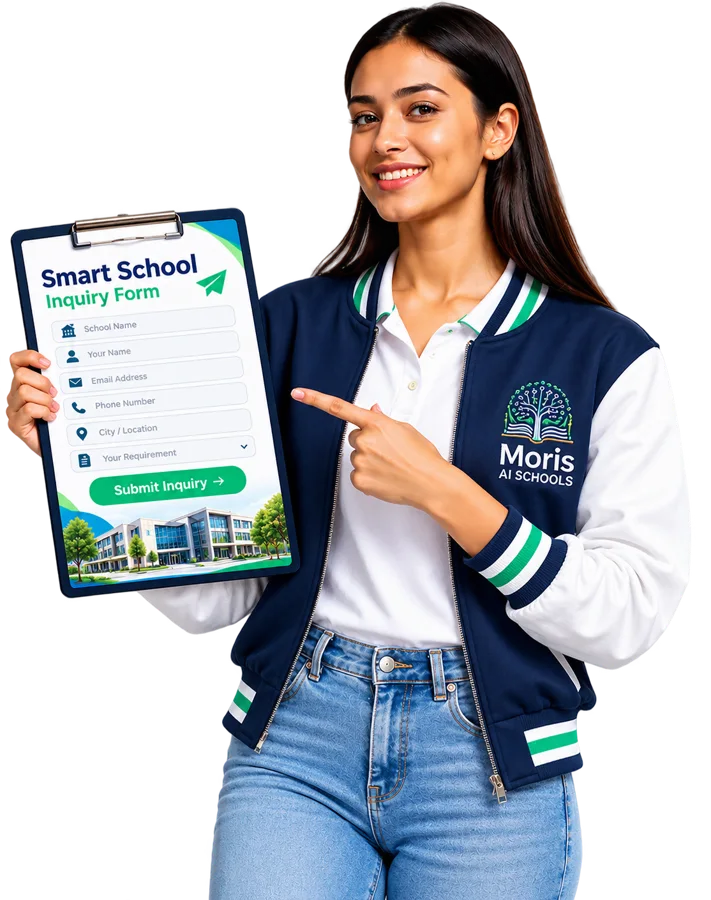
Plan Your Training
Thank you
Your training enquiry has been received. The Moris AI Schools team will review the learner group and scale before connecting with you.
More in Teachers Corner
Back to Home
Build practical AI teaching capability that supports learners and strengthens
Explore
Build practical AI teaching capability that supports learners and strengthens
Explore
Build practical AI teaching capability that supports learners and strengthens
ExploreBuild practical AI teaching capability that supports learners and strengthens
Explore